At-Home Leaky Gut Test Kit

Sale price£250.00 Regular price£300.00
Save £50.00

Our leaky gut test measures over 2,000 types of bacteria and measures how well the gut barrier prevents harmful toxins from entering the bloodstream and triggering symptoms. The test provides you with a leaky gut score (Leaky Gut index), a high score may indicate leaky gut. The test also measures your overall gut health and provides you with a personalised report, nutrition and supplement plan to improve your gut health and address our findings.

Our leaky gut test helps uncover signs linked to leaky gut as well as gut imbalances that may be driving your symptoms.

Results in 4 weeks

From the point our lab receives your sample.

Free Shipping

Free shipping both ways included in the price!


Choose your test: Leaky Gut Test
More Info Close
More Info Close

Our leaky gut test is designed to provide information and should not substitute professional medical advice as a diagnosis.



What is leaky gut?

Leaky gut syndrome, also known as ‘intestinal permeability’, is a condition where the lining of the small intestine becomes damaged. This damage allows undigested food particles, toxins, and bacteria to ‘leak’ through the intestinal wall into the bloodstream, triggering inflammation and immune reactions throughout the body.  

Surprisingly leaky gut is not recognised as an official medical diagnosis, although it is believed that most people have leaky gut to some extent. Research suggests that an increased level of gut permeability may play a role in a various conditions. 

A gut imbalance is directly linked to leaky gut. Improving your gut health is essential to treating and reducing your risk of Leaky Gut.

Learn more about leaky gut

What do we test for leaky gut?

Key bacteria

Key bacteria

Akkermansia muciniphila Supports gut lining strength; metabolic balance; low levels linked with inflammation; weight change; fatigue; gut permeability Bifidobacterium Beneficial bacteria supporting digestion; bowel movement; skin conditions; immune balance; constipation relief Campylobacter Pathogenic bacteria linked with diarrhoea; fever; cramping; post infectious IBS Campylobacter jejuni coli More aggressive Campylobacter forms; linked to gastroenteritis; severe gut pain; inflammation Clostridium difficile High risk gut pathogen; linked to severe diarrhoea; dehydration; post antibiotic imbalance Candida Yeast overgrowth; may contribute to bloating; cravings; fatigue; brain fog; skin irritation E coli O157 Toxin producing E coli; linked with severe diarrhoea; stomach cramps; fever Escherichia coli Normal gut resident supporting digestion in balance; certain strains may cause infection; diarrhoea Enterococcus Normal in low amounts; overgrowth linked to UTIs; gut infection; abdominal upset Faecalibacterium Highly beneficial bacteria; low levels linked with inflammation; fatigue; eczema; IBD patterns Fusobacterium Inflammation linked; gut permeability; skin to gut flare potential; colorectal risk markers H pylori Linked to stomach pain; reflux; nausea; ulcers; bloating; appetite changes Klebsiella Opportunistic bacteria linked to inflammation; IBS flares; bloating; diarrhoea or constipation patterns Lactobacillus Core probiotic supporting digestion; bowel movement; skin health; immune balance; bloating relief Methanobrevibacter Methane producer strongly linked with constipation; slow motility; bloating; gas retention Prevotella Fibre digester; high levels linked with gas; inflammation; acne; eczema; IBS type symptoms Proteus Gas forming microbe; linked with UTIs; bloating; abdominal discomfort; immune irritation Pseudomonas Uncommon in healthy gut; associated with infection risk; inflammatory flares Ruminococcus Breaks down resistant fibre; imbalance linked to bloating; constipation; IBS pain Salmonella Foodborne pathogen causing diarrhoea; fever; gut pain; post infection IBS Salmonella enterica More severe salmonella variant; systemic illness risk; gut inflammation Shigella Dysentery type pathogen; fever; severe cramps; urgent diarrhoea Staphylococcus Opportunistic microbe; may drive infections; skin flare; gut irritation Veillonella Uses lactate; high levels may increase inflammation; fatigue; reduced gut resilience Vibrio Water linked pathogen; nausea; diarrhoea; acute stomach upset Vibrio cholerae Severe diarrhoea producing pathogen; high dehydration risk; rapid gut disruption Yersinia enterocolitica Linked to abdominal pain; fever; reactive arthritis; post infection IBS type symptoms
Gut bacteria

Gut bacteria

Acidaminococcus Helps break down amino acids; imbalance may contribute to gas; bloating; digestive discomfort Acinetobacter Opportunistic organism; may disrupt gut balance; increase infection risk; loose stools Actinomyces Normally low in the gut; higher levels may relate to gum irritation; inflammatory flare; poor oral gut balance Aeromonas Food and water linked pathogen; often causes diarrhoea; stomach pain; gut irritation Akkermansia muciniphila Supports gut lining strength; metabolic balance; low levels linked with inflammation; weight change; fatigue; gut permeability Alcaligenes Usually harmless when low; higher levels may relate to loose stools; irritation; dysbiosis symptoms Alistipes Involved in digestion and immune tone; high levels linked with IBS type pain; inflammation; mood shifts; gut brain imbalance Alteromonas Uncommon in the gut; detection may reflect barrier weakness; dysbiosis; environmental exposure Anaerostipes Produces butyrate which supports gut comfort; may ease constipation; reduce irritation; support bowel movement Anaerotruncus Short chain fatty acid producer; high levels may contribute to bloating; gas; abdominal discomfort Bacillus Some types beneficial; others opportunistic when high; imbalance may relate to infection risk; gut irritation Bacteroides fragilis Breaks down food waste; excess may cause gas; loose stools; gut irritation Bacteroides uniformis Associated with healthy metabolism; resilience; low levels may weaken digestive balance; stress tolerance Bifidobacterium Beneficial bacteria supporting digestion; bowel movement; skin conditions; immune balance; constipation relief Burkholderia Environmental pathogen; may trigger inflammation; gut disturbance; reduced resilience Butyricicoccus Produces soothing butyrate; often low in constipation; may support gut lining repair; reduce inflammation Butyrivibrio Breaks down fibre into butyrate; supports gut barrier; reduces irritation; may improve stool regularity Candida Yeast overgrowth; may contribute to bloating; cravings; fatigue; brain fog; skin irritation Campylobacter Pathogenic bacteria linked with diarrhoea; fever; cramping; post infectious IBS Campylobacter jejuni coli More aggressive Campylobacter forms; linked to gastroenteritis; severe gut pain; inflammation Christensenella Often associated with healthy metabolism; weight balance; gut stability; energy support Clostridium Large group including helpful and harmful types; imbalance may relate to inflammation; gas; discomfort Clostridium difficile High risk gut pathogen; linked to severe diarrhoea; dehydration; post antibiotic imbalance Collinsella Affects cholesterol handling; high levels seen in IBS; inflammation; bloating Collinsella aerofaciens Involved in glucose handling; imbalanced levels may relate to bloating; fatigue; metabolic stress Coprococcus Produces short chain fats supporting gut brain signals; mood regulation; inflammation control Coprococcus catus Fibre fermenter; imbalance may contribute to constipation; gas; sluggish digestion Desulfitobacter May process toxins; high levels may irritate the gut lining; inflammation; discomfort Desulfovibrio Sulphur gas producer; often linked with bloating; pain; strong odour; gut irritation Dialister Often low in IBS; low diversity; may relate to inflammation; poor digestive resilience Dorea Ferments carbohydrates; high levels may increase gas; bloating; discomfort after meals Enterococcus Normal in low amounts; overgrowth linked to UTIs; gut infection; abdominal upset Eubacterium Supports mucosal health; gut lining strength; often low in IBS; inflammation states E coli O157 Toxin producing E coli; linked with severe diarrhoea; stomach cramps; fever EAEC Persistent diarrhoea strain; may damage gut lining; prolong symptoms; fatigue EPEC Often linked with watery diarrhoea; nausea; stomach cramps; gut disturbance ETEC LT Common travellers diarrhoea strain; dehydration risk; gut irritation; weakness STEC Highly inflammatory strain; severe abdominal pain; bloody diarrhoea; gut damage EIEC Invasive strain; may cause fever; inflammation; intense diarrhoea Faecalibacterium Highly beneficial bacteria; low levels linked with inflammation; fatigue; eczema; IBD patterns Flavobacterium Environmental organism; presence may indicate gut barrier weakness; dysbiosis Fusobacterium Inflammation linked; gut permeability; skin to gut flare potential; colorectal risk markers H pylori Linked to stomach pain; reflux; nausea; ulcers; bloating; appetite changes Lachnospira Produces beneficial short chain fats; supports immune regulation; reduces inflammation Lactobacillus Core probiotic supporting digestion; bowel movement; skin health; immune balance; bloating relief Methanobrevibacter Methane producer strongly linked with constipation; slow motility; bloating; gas retention Micrococcus Usually external microbe; gut presence may indicate imbalance; contamination Mobiluncus Linked to vaginal infection patterns; may cause gut irritation; inflammatory symptoms Odoribacter SCFA producer; imbalance may lead to strong odour gas; bloating; irritation Oxalobacter formigenes Breaks down oxalates; low levels linked with kidney stone risk; inflammation; poor oxalate tolerance Papillibacter Ferments sugars; high levels may lead to gas; bloating; post meal discomfort Papillibacter cinnamivorans Similar sugar fermenter; high amounts may worsen bloating; gas; IBS reactivity Peptostreptococcus Opportunistic organism; may trigger inflammation; IBS type pain; gut disturbance Phascolarctobacterium Supports energy metabolism; mental clarity; short chain fat production; gut brain benefit Photobacterium Uncommon in gut; presence suggests external contamination; microbiome disruption Plesiomonas shigelloides Pathogen causing diarrhoea; cramping; nausea; gastroenteritis Prevotella Fibre digester; high levels linked with gas; inflammation; acne; eczema; IBS type symptoms Prevotella copri Associated with bloating; joint inflammation; blood sugar stress; fatigue Proteus Gas forming microbe; linked with UTIs; bloating; abdominal discomfort; immune irritation Providencia Opportunistic pathogen; may cause diarrhoea; gut cramping; dysbiosis Pseudomonas Uncommon in healthy gut; associated with infection risk; inflammatory flares Roseburia SCFA producer supporting gut lining; reduces inflammation; improves stool regularity; gut brain benefits Rothia Common in the mouth; gut presence may signal imbalance; oral gut transfer; dysbiosis Ruminococcus Breaks down resistant fibre; imbalance linked to bloating; constipation; IBS pain Ruminococcus albus Strong fibre degrader; excess may increase gas; bloating; slow motility Salmonella Foodborne pathogen causing diarrhoea; fever; gut pain; post infection IBS Salmonella enterica More severe salmonella variant; systemic illness risk; gut inflammation Sarcina Fermentation driven bacteria; may cause gas; vomiting; delayed stomach emptying Serratia Opportunistic pathogen; may increase infection risk; inflammation; gut disturbance Shewanella Environmental microbe; presence suggests dysbiosis; weakened gut defence Shigella Dysentery type pathogen; fever; severe cramps; urgent diarrhoea Sporomusa Produces acetate; shifts may affect gut fermentation; stool quality; energy balance Staphylococcus Opportunistic microbe; may drive infections; skin flare; gut irritation Turicibacter Linked with immune regulation; low levels often seen in inflammation; poor tolerance to foods Veillonella Uses lactate; high levels may increase inflammation; fatigue; reduced gut resilience Vibrio Water linked pathogen; nausea; diarrhoea; acute stomach upset ACVictivallis Breaks down sugars; excess may lead to gas; bloating Yersinia enterocolitica Linked to abdominal pain; fever; reactive arthritis; post infection IBS type symptoms
Pathogenic bacteria

Pathogenic bacteria

Acinetobacter Opportunistic organism; may disrupt gut balance; increase infection risk; loose stools Aeromonas Food and water linked pathogen; often causes diarrhoea; stomach pain; gut irritation Burkholderia Environmental pathogen; may trigger inflammation; gut disturbance; reduced resilience Candida Yeast overgrowth; may contribute to bloating; cravings; fatigue; brain fog; skin irritation Campylobacter Pathogenic bacteria linked with diarrhoea; fever; cramping; post infectious IBS Campylobacter jejuni coli More aggressive Campylobacter forms; linked to gastroenteritis; severe gut pain; inflammation Clostridium difficile High risk gut pathogen; linked to severe diarrhoea; dehydration; post antibiotic imbalance Desulfovibrio Sulphur gas producer; often linked with bloating; pain; strong odour; gut irritation E coli O157 Toxin producing E coli; linked with severe diarrhoea; stomach cramps; fever Enteroaggregative E coli EAEC Persistent diarrhoea strain; may damage gut lining; prolong symptoms; fatigue Enteroinvasive E coli EIEC Invasive strain; may cause fever; inflammation; intense diarrhoea Enteropathogenic E coli EPEC Often linked with watery diarrhoea; nausea; stomach cramps; gut disturbance Enterotoxigenic E coli ETEC LT Common travellers diarrhoea strain; dehydration risk; gut irritation; weakness Enterococcus Normal in low amounts; overgrowth linked to UTIs; gut infection; abdominal upset Flavobacterium Environmental organism; presence may indicate gut barrier weakness; dysbiosis Fusobacterium Inflammation linked; gut permeability; skin to gut flare potential; colorectal risk markers Helicobacter pylori Linked to stomach pain; reflux; nausea; ulcers; upper gut irritation Micrococcus Usually external microbe; gut presence may indicate imbalance; contamination Mobiluncus Linked to vaginal infection patterns; may cause gut irritation; inflammatory symptoms Peptostreptococcus Opportunistic organism; may trigger inflammation; IBS type pain; gut disturbance Photobacterium Uncommon in gut; presence suggests external contamination; microbiome disruption Plesiomonas shigelloides Pathogen causing diarrhoea; cramping; nausea; gastroenteritis Proteus Gas forming microbe; linked with UTIs; bloating; abdominal discomfort; immune irritation Providencia Opportunistic pathogen; may cause diarrhoea; gut cramping; dysbiosis Pseudomonas Uncommon in healthy gut; associated with infection risk; inflammatory flares Salmonella Foodborne pathogen causing diarrhoea; fever; gut pain; post infection IBS Salmonella enterica More severe salmonella variant; systemic illness risk; gut inflammation Sarcina Fermentation driven bacteria; may cause gas; vomiting; delayed stomach emptying Serratia Opportunistic pathogen; may increase infection risk; inflammation; gut disturbance Shewanella Environmental microbe; presence suggests dysbiosis; weakened gut defence Shiga Toxin producing E coli STEC Highly inflammatory strain; severe abdominal pain; bloody diarrhoea; gut damage Shigella Dysentery type pathogen; fever; severe cramps; urgent diarrhoea Staphylococcus Opportunistic microbe; may drive infections; skin flare; gut irritation Vibrio Water linked pathogen; nausea; diarrhoea; acute stomach upset Vibrio cholerae Severe diarrhoea producing pathogen; high dehydration risk; rapid gut disruption Yersinia enterocolitica Linked to abdominal pain; fever; reactive arthritis; post infectious IBS type symptoms
Parasites

Parasites

Blastocystis hominis Linked with bloating; gas; abdominal pain; diarrhoea; fatigue; commonly spread through contaminated food or water Giardia lamblia Known for watery diarrhoea; nausea; cramping; sulphur burps; often contracted via untreated water; travel exposure; poor hygiene Dientamoeba fragilis Associated with IBS type symptoms; bloating; abdominal pain; loose stools; fatigue; often transmitted through close contact or contaminated surfaces Entamoeba histolytica More aggressive parasite; may cause severe diarrhoea; fever; abdominal pain; potential liver involvement; commonly contracted through contaminated food or water Cryptosporidium parvum Highly infectious parasite; may cause watery diarrhoea; stomach cramps; nausea; dehydration risk; typically waterborne
Viruses

Viruses

Norovirus Highly contagious stomach virus; may cause sudden vomiting; acute diarrhoea; stomach cramps; often spread through contaminated food or surfaces Adenovirus type 41 Known for persistent gastroenteritis; may cause diarrhoea; vomiting; fever; typically transmitted through close contact or contaminated water Enterovirus Common viral group spread through hand to mouth contact; may trigger fever; stomach upset; diarrhoea; fatigue Rotavirus Frequent cause of severe diarrhoea; dehydration; spreads easily through surfaces; childcare settings; contaminated hands Cytomegalovirus CMV Usually mild in healthy adults; may cause diarrhoea; abdominal pain; low grade fever in weakened immune function Epstein Barr virus EBV Known for glandular fever; may trigger fatigue; swollen glands; digestive upset during active infection
Fungi and Archaea

Fungi and Archaea

Candida albicans Yeast overgrowth; may contribute to bloating; cravings; fatigue; brain fog; skin irritation Candida glabrata Less responsive to standard antifungals; may cause urinary or gut irritation; bloating; discomfort when overgrown Candida tropicalis Associated with gut infection risk during imbalance; may contribute to diarrhoea; cramping; fatigue Candida parapsilosis Linked with gut imbalance; may lead to bloating; persistent digestive upset; irritation Candida krusei Naturally antifungal resistant; may contribute to stubborn gut symptoms; gas; abdominal discomfort Candida auris Emerging drug resistant yeast; may drive inflammation; gut irritation; systemic risk in severe cases Methanobrevibacter smithii Methane producer strongly linked with constipation; slow motility; bloating; gas retention Methanosphaera stadtmanae Methane associated archaea; may increase intestinal gas; abdominal pressure; constipation; often seen alongside dysbiosis

What is a leaky gut test?

A leaky gut test is an at-home stool test which helps to identify leaky gut as well as paint a picture of what is going on inside your digestive tract. Traditional tests typically measure a single biomarker, such as zonulin, which can indicate increased intestinal permeability. However, this only provides a limited view. Our test goes far beyond just testing for Leaky Gut.

Our leaky gut test analyses thousands of gut bacteria and microbial markers, helping to identify not only potential signs of leaky gut but also other underlying issues such as gut dysbiosis, microbial imbalances, or parasites giving a much clearer picture of overall gut health.

Learn more
The full picture

We go far beyond just testing for leaky gut


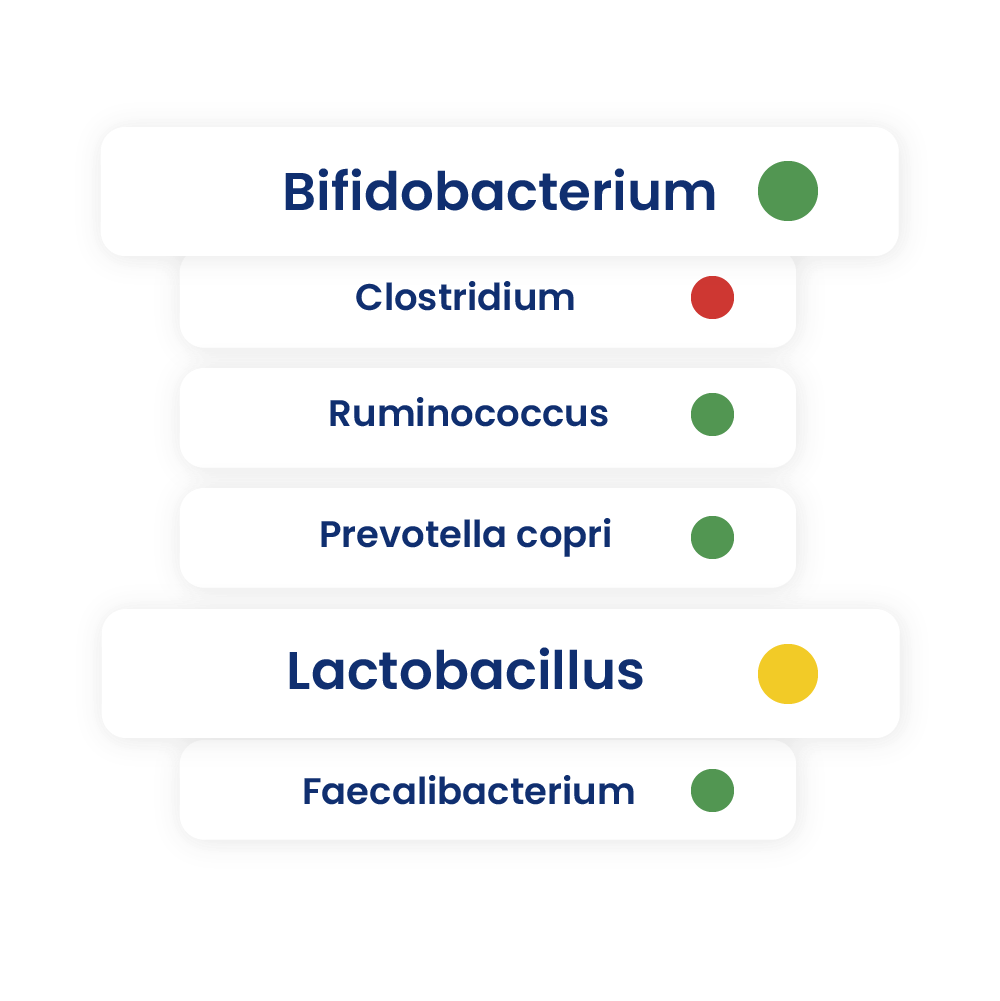
The test goes far beyond simply assessing leaky gut. It is a comprehensive gut health test that evaluates the overall balance of bacteria in your gut microbiome. It can also identify the presence of other microorganisms, including harmful bacteria, parasites, fungi, and yeasts, that may be linked to symptoms such as bloating, low energy, skin problems, digestive discomfort, inflammation, and poor nutrient absorption, many of which can present with symptoms similar to leaky gut.

You'll receive clear, science-backed insights into your gut health, along with personalised recommendations for food, supplements, and lifestyle changes to support better gut health and overall wellbeing.

View our detailed results

Not just another diet

Foods designed to support your gut barrier health

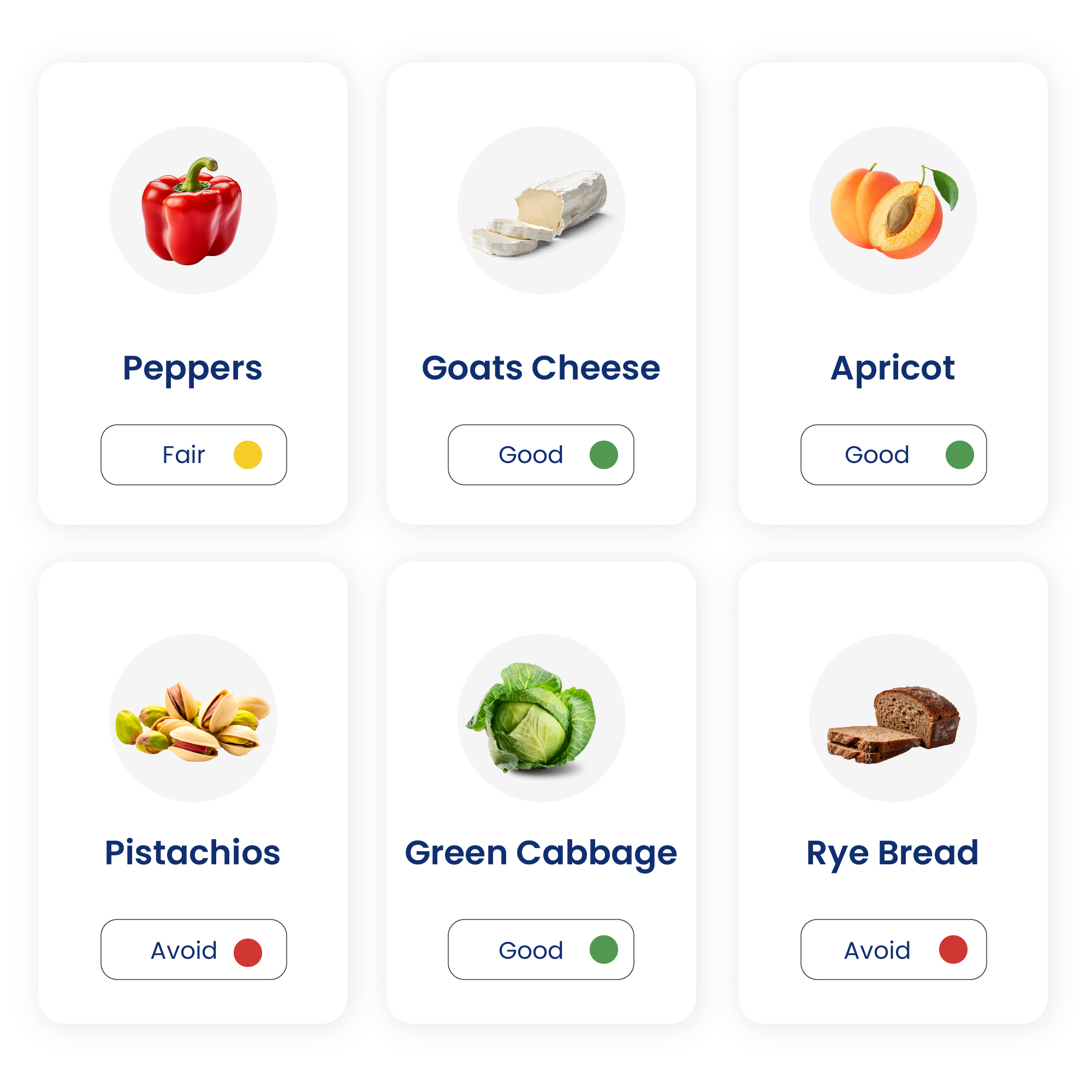
You’ll receive personalised nutrition recommendations designed to support and strengthen your gut barrier. These recommendations are based on your individual test results and focus on improving your overall gut health.

With the right foods and dietary changes, you can help restore balance in your gut microbiome, support gut barrier function, reduce harmful microbes, and encourage the growth of beneficial bacteria.

4 steps

How to take the test kit

Taking the test is really simple, just follow the 4 steps below. More detailed instructions are included inside every test box when you receive your test kit.

Gut microbiome health test kit - Feelgut

Order your leaky gut test

Buy your kit online, we'll send everything you need directly to your door within 2 working days.
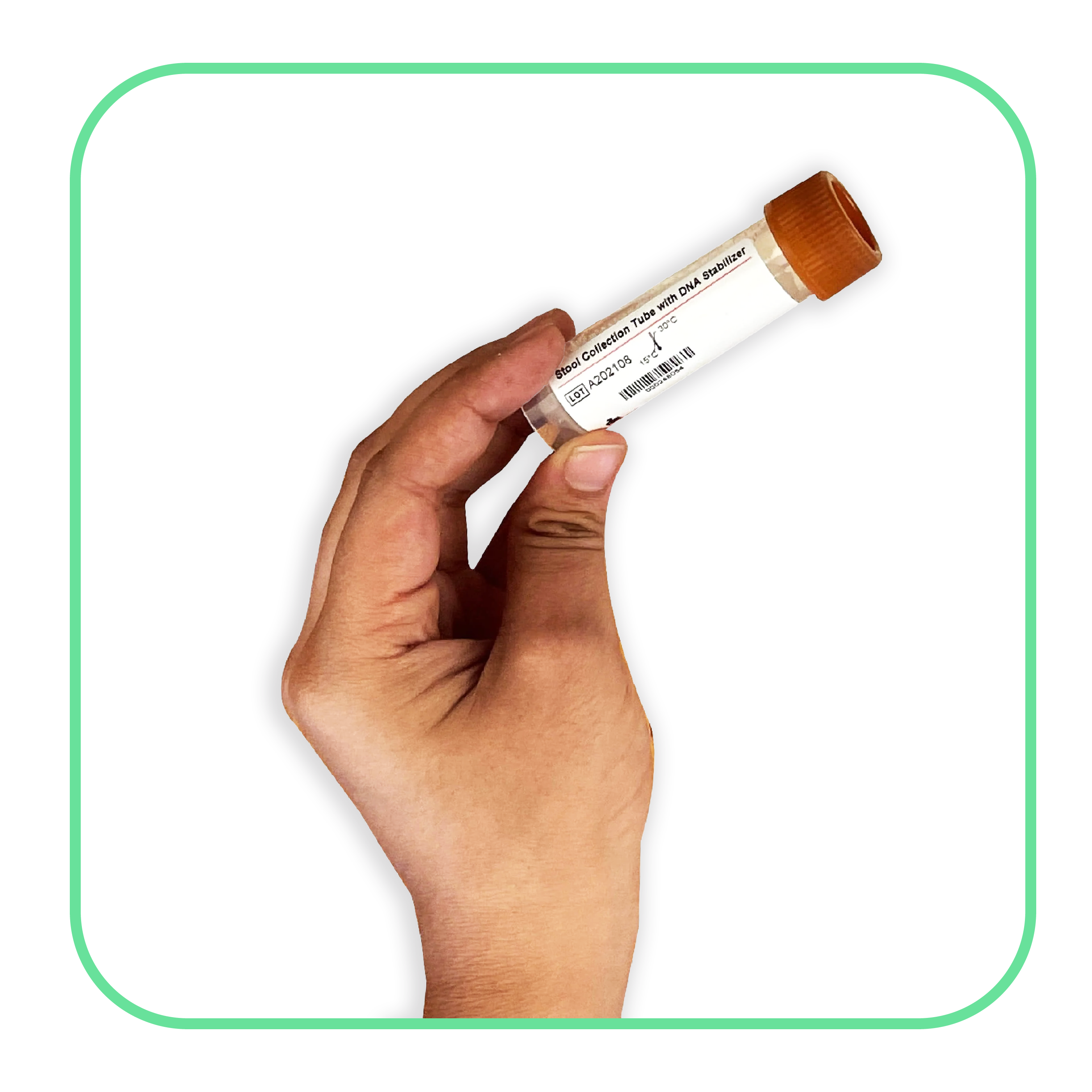
Collect your stool sample

Just a simple swab of used toilet roll! Full instructions included inside every kit to walk you through how to test.

Send your kit back

We'll provide you with a prepaid UK shipping label so you can send your sample back to our UK based lab

Receive your results

Results will be sent directly to your email address 3-5 weeks from the point our lab received your sample

Gold standard testing

Our approach to gut health testing

Method of testing

We analyse every sample with next-generation shotgun metagenomic sequencing because it unlocks the full story of your gut microbiome. Shotgun sequencing captures all DNA in the sample, telling us who’s there and what they can do.

Machine learning

Then, we take the raw sequencing reads (FASTQ files) and process it on our machine learning bioinformatics pipeline where it matches each microbe and gene against two gold-standard reference databases and converts those matches into clear health scores and personalised food tips specific to you.

Reference databases

Our machine learning platform compares your results against 50,000 profiled gut samples taken from two gold standard reference libraries, the Human Microbiome Project and the American Gut project and our own rapidly growing database.


FAQ's

Our customer support is available Monday to Friday: 8am-8:30pm.Average answer time: 1-2hr
Contact Us

Delivery options

All of our test kits will fit through your letter box! There is no need to wait in for your delivery driver.

Your test kit will also come with a Royal Mail tracked delivery return shipping label so you can send your sample back to our lab.

Royal Mail First Class

Free

2-5 working days (excluding weekends and bank holidays)

Royal Mail Tracked Next Day

£5.99

1-2 working days (bank holidays not included)

Authored by

Hussain Abdeh
Pharmacist MPharm
Hussain is an experienced pharmacist having qualified in 2015. Since then, Hussain has worked in a number of community pharmacies and was part of the original clinical team at Medicine Direct before it became part of Feel Gut.

Reviewed by

Sarah Morton
Specialist Dietitian RD
Sarah is a highly experienced specialist Dietitian with 15 years experience in both the NHS and private practice. Sarah helps ensure our website is up to date with the latest peer-reviewed and evidence based research.

Update timeline

Review Date 1 October 2025
Next Review 1 October 2026
Published On December 2023
Last Updated 1 September 2025