

Written by Kate Hilton RD
Published on 26 June 2023

Updated by Husain Abdeh Mpharm
Last updated on 16 April 2026
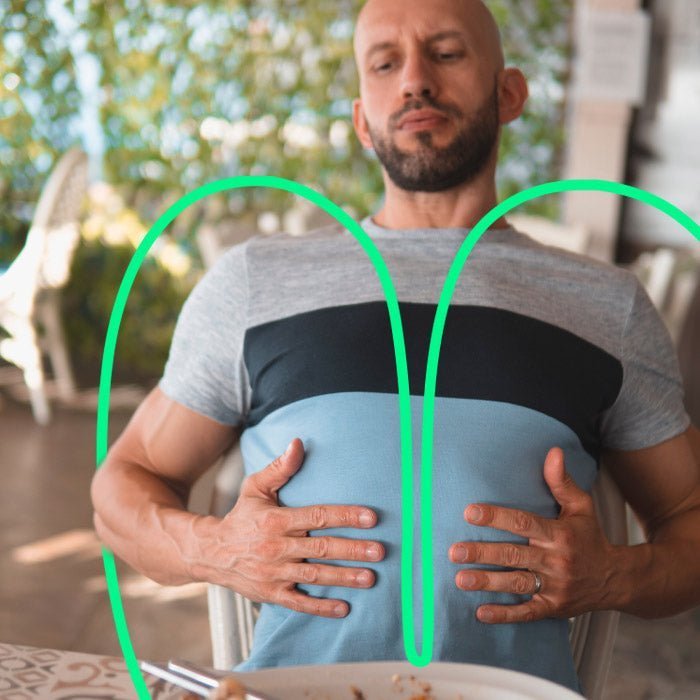
If you regularly feel anxious after eating, you are not alone. Anxiety after meals can be unsettling, especially when there is no obvious explanation. For some people, it may be linked to blood sugar changes, caffeine, digestive discomfort, food related anxiety, or an underlying anxiety disorder. For others, the picture may be broader and may involve the connection between the gut and the brain, often referred to as the gut brain axis. Research in this area is growing, and while the gut microbiome is not the answer in every case, it may be one part of the picture for some individuals.
This guide explains the common causes of anxiety after eating, how the gut brain axis may be involved, and how a gut microbiome report may provide a more personalised view of what is going on. This article is for informational purposes only and does not replace medical advice. If your symptoms are persistent, worsening, or affecting your day to day life, it is important to speak to your GP.
What are the symptoms of anxiety after eating?
Anxiety symptoms can vary from person to person. Some people mainly feel mentally on edge, while others notice stronger physical symptoms after meals. Anxiety symptoms in individuals can hugely vary, however some of the most common symptoms experienced with anxiety include: [2]
Restlessness or feeling on edge: A sense of unease or restlessness that manifests after eating. This could also be described as nervousness or “butterflies” and is typically the most noticeable symptom when it comes to anxiety.
Rapid Heartbeat: Increased heart rate or palpitations is a common symptom of anxiety.
Digestive Discomfort: Gastrointestinal symptoms such as indigestion, bloating, stomach pain, or nausea. In some people, digestive discomfort and anxiety can occur together, especially where there are underlying gut symptoms as well, which we cover further in this guide.
Changes in Breathing: You may experience shallow or faster breathing with anxiety. In more extreme cases, you may struggle to catch your breath.
Sweating: Excessive sweating, particularly on the palms or forehead.
Cognitive Symptoms: Racing thoughts, difficulty concentrating, or intrusive thoughts related to anxiety.
Emotional Distress: Feelings of fear, worry, distress, or a sense of impending doom.
Nausea: Nausea after eating can be common with anxiety, although other causes should also be considered.
What causes anxiety after eating?
Experiencing anxiety after eating can be caused by a number of foods, drinks, underlying conditions and even psychological factors. While the exact reasons may vary from person to person, some of the most common causes include:
Reactive Hypoglycaemia
Fluctuations in blood sugar levels can contribute to anxiety symptoms after eating. Rapid changes in glucose levels, such as a spike followed by a drop, can trigger anxiety in susceptible individuals. In some people, caffeine, particularly on an empty stomach, may also make symptoms feel worse by increasing jitteriness and adrenaline related sensations.
Gastrointestinal Disorders
Digestive discomfort can affect how you feel after meals both physically and mentally. Conditions such as irritable bowel syndrome, acid reflux, and other gastrointestinal disorders can cause discomfort after eating, and gut symptoms can sometimes overlap with anxiety symptoms. This is one of the reasons why the microbiome gut brain axis is receiving more attention as research supports the guts role in the development and progression of digestive symptoms and mood related symptoms occurring together. [3] [4]
Food Sensitivities
Certain foods can cause symptoms such as bloating, nausea, stomach pain, or bowel changes, which in turn can feel anxiety provoking. This does not always mean that a specific food is the root cause, but identifying patterns and when symptoms occur can be helpful and act as a process of elimination. Keeping a food and symptom diary is often one of the most practical ways to explore this.
Psychological Factors
Psychological factors like stress, depression, fear, or past negative experiences with certain food can contribute to mood changes after eating. Emotional or psychological mood changes after eating can manifest as anxiety symptoms. Anxiety itself can also make physical sensations feel stronger, which can create a cycle where digestive discomfort and anxious feelings reinforce one another.
The Gut Brain Axis and Gut Microbiome
Another possible contributing factor is the gut brain axis, which is a bi-directional communication network between the digestive system and the brain that is always in communication.
Research suggests that the gut microbiome may influence parts of this system through immune, inflammatory, metabolic, and neural pathways. That does not mean the gut microbiome causes anxiety for every person that has it, but it may be relevant in some individuals, particularly where anxiety after eating appears alongside digestive symptoms such as bloating, nausea or stomach pain. [5] [4]
Research has shown that certain bacteria within the gut, such as Faecalibacterium prausnitzii, Roseburia species, Roseburia intestinalis, and Lactobacillus species, are associated with butyrate production, anti-inflammatory activity, and may help to support our overall gut health.
In contrast, individuals with a less supportive gut brain axis may involve lower levels of these bacteria alongside higher levels of bacteria associated with endotoxins, inflammation, or disrupted gut signalling. It’s important to note that currently, researchers have not yet defined an ideal balance of gut bacteria that is optimal for gut-brain axis health.

At Feel Gut, our expertise lies in turning much of the research into a more practical and personalised view of the microbiome through advanced gut microbiome testing. Our Gut Brain Axis metric was developed to assess the balance of beneficial and disruptive bacteria linked in research to gut brain signalling, inflammation, gut barrier support, and stress related pathways.
In our gut microbiome test reports, this information is then viewed alongside other important areas of gut health, helping to provide a more complete and personalised picture while keeping the findings in line with the latest research and informative rather than diagnostic.
You can find out gut-brain axis metric in our sample report on page 19.
What foods can trigger anxiety?
Some individuals may be much more tolerant to known anxiety inducing foods than others, whilst others may experience heightened symptoms when consuming foods that can trigger anxiety. Whilst there is not “one size fits all” when it comes to foods that trigger anxiety, some of the most common reported foods that can start symptoms include:
Caffeine: High amounts of caffeine found in coffee, tea, energy drinks, and some sodas can mimic some of the symptoms associated with anxiety such as a rapid heart rate. Symptoms can appear to be much worse when caffeine is consumed on an empty stomach. Caffeine can also affect the body’s natural sleep cycle, which can also contribute to anxiety.
Alcohol: Alcohol may worsen anxiety in some people, especially when consumed excessively or during withdrawal. Symptoms may feel worse the following day, and alcohol can also affect the quality of sleep, which may make anxiety more noticeable.
Highly Processed Foods: Highly processed foods may contribute to blood sugar swings and may also be linked to less favourable microbiome patterns over time. Research has linked processed foods and refined sugars with a higher risk of mood disorders.[5]
Specific foods that trigger digestive discomfort can also make anxiety symptoms feel stronger.
It is important to keep a food and symptom diary to try and identify patterns in your anxiety after eating. A personalised approach should be taken when trying to identify your trigger foods, although the above foods listed are known to trigger anxiety symptoms, it does not necessarily mean that they are the cause of your triggers.
Are there any foods that can help anxiety?
While no single food can magically eliminate anxiety, incorporating a balanced diet may help support overall wellbeing and may help reduce some symptoms in certain people.
Start your day off with a glass of water. Drinking enough water can support mood and concentration, while dehydration may make some symptoms feel worse.
Try and introduce a form of protein into your breakfast. A source of protein at breakfast can help you feel fuller for longer throughout the day. It can also act as an energy boost first thing in the morning.
Complex Carbohydrates: Foods like whole grains, legumes, oats, and vegetables provide a slow and steady release of glucose. This helps to stabilise your blood sugar levels and promote a sense of calmness throughout the day.
Fatty Fish: Fish such as salmon, mackerel, and sardines are rich in Omega 3 fatty acids and are widely included as part of a balanced diet that supports overall brain and cardiovascular health.
Probiotic-Rich Foods: Fermented foods like yogurt, sauerkraut, and kefir contain probiotics, which and are widely regarded as foods that are beneficial for gut health. Fermented foods and fibre rich foods are often discussed in relation to the gut microbiome because they may help support a healthier gut environment. Probiotic and fibre rich foods should be seen as part of a balanced diet rather than a direct treatment for anxiety. [5] [8]
Interest in probiotics and mental wellbeing is growing, but the evidence is still mixed and not strong enough for blanket recommendations. [8]
Leafy Greens: Spinach and kale are both packed with nutrients and are a high source of magnesium. Low magnesium status has been studied in relation to anxiety, but no single food should be viewed as a treatment on its own.
Nuts and Seeds: Almonds, walnuts, chia seeds, and flaxseeds are examples of nutrient-dense foods that provide essential nutrients for brain health.
Try decaffeinated and alcohol free: Both caffeine and alcohol are main triggers for anxiety, try switching to decaffeinated and alcohol-free versions of them, that way you can still enjoy the taste without the anxiety symptoms afterwards.
Whilst you should not completely overhaul your current diet and just focus on the above foods, introducing a mixture of the foods listed above will help you to maintain a healthy balanced diet and could help to improve your anxiety symptoms.
Is anxiety a symptom of low blood sugar levels?
Low blood sugar, also known as hypoglycaemia, can mimic symptoms of anxiety. Having a low blood sugar will typically present itself with other symptoms such as shaking, trembling, sweating and a fast heartbeat, thus in turn can cause you to feel anxious.
Is anxiety after eating always gut related?
Not necessarily. Anxiety after eating can also be linked to eating disorders, panic disorder, generalised anxiety disorder, reflux, IBS, low blood sugar, wider stress related issues, and other physical or psychological factors.
Could it be a sign of something else?
There is a possibility that your anxiety after eating can be a sign of an underlying condition. Some other conditions that should be considered and are closely related to anxiety include:
Eating Disorders: Certain eating disorders can cause food anxiety which is slightly different to food-induced anxiety. Food anxiety is where an individual may get anxiety thinking about the consequence of eating a certain food may have on their body such as weight gain, allergic reaction or choking.
Gastrointestinal Disorders: Gastroesophageal reflux disease (GERD), irritable bowel syndrome (IBS), or inflammatory bowel disease (IBD) can lead to both physical discomfort and anxiety after eating as they share many of the same symptoms common with anxiety.
Mental Health Disorders: Generalised anxiety disorder (GAD), panic disorder, or specific phobias can be associated with anxiety symptoms triggered by various situations, including eating.
Stress and Psychological Factors: Stressful life events, trauma, or underlying psychological conditions can contribute to anxiety after eating.
An imbalance in the gut microbiome, often referred to as dysbiosis, is another area that researchers are increasingly exploring in relation to anxiety and mood. While this does not provide a diagnosis on its own, it may be a relevant contributing factor in some individuals, particularly where anxiety after eating appears alongside digestive symptoms or poor stress resilience. [1]
What can I do to manage my anxiety?
Managing anxiety after eating involves a holistic approach that addresses both physical and psychological aspects. Here are some strategies to consider:
Mindful Eating: Pay attention to your diet and the foods you are eating. Make a conscious effort to introduce healthy foods into your diet and remember to stay hydrated.
Identify Triggers: Keep a food diary to help identify potential trigger foods or patterns and work to eliminate those foods from your diet. An effective elimination diet can help to reduce food induced anxiety.
Stress Management: Try a variety of stress-reducing techniques such as deep breathing exercises, meditation, yoga, or engaging in hobbies and activities that promote relaxation. Seeing your friends and family regularly can also help to reduce stress.
Regular Physical Activity: Regular exercise or physical activity can help reduce anxiety and improve overall well-being.
When should I see a doctor?
If your anxiety appears to be chronic and does not seem to be triggered by any particular foods, we recommend speaking to your doctor. If you have also tried multiple ways to manage your anxiety symptoms without success, a doctor may be able to diagnose or provide treatment for your anxiety symptoms. Additionally, if your anxiety symptoms start to significantly impact your day-to-day life you should book an appointment with your GP.
You should also seek help if symptoms are happening alongside significant digestive symptoms, or if you have not improved despite making dietary and lifestyle changes. The NHS also advises seeking help if you are struggling to cope or if the things you are trying yourself are not helping. [2] [9]
If you need help urgently, but it is not an emergency, ask for an urgent GP appointment or contact NHS 111 online or by phone. [10]
References
[1] Butler, M.I. et al., 2025. The Gut Microbiome in Anxiety Disorders. (PMC)
[2] NHS. Get help with anxiety, fear or panic. (nhs.uk)
[3] Jiang, M. et al., 2024. Mechanisms of microbiota-gut-brain axis communication in anxiety disorders. (Frontiers)
[4] Carabotti, M. et al., 2015. The gut-brain axis: interactions between enteric microbiota, central and enteric nervous systems.
[5] Mehta, I. et al., 2025. Gut Microbiota and Mental Health: A Comprehensive Review of Gut-Brain Interactions in Mood Disorders. (PMC)
[6] NHS. Generalised anxiety disorder (GAD). (nhs.uk)
[8] Merkouris, E. et al., 2024. Probiotics' Effects in the Treatment of Anxiety and Depression.
[9] NHS Every Mind Matters. Anxiety.
[10] NHS. Where to get urgent help for mental health.