
This product has no reviews yet.
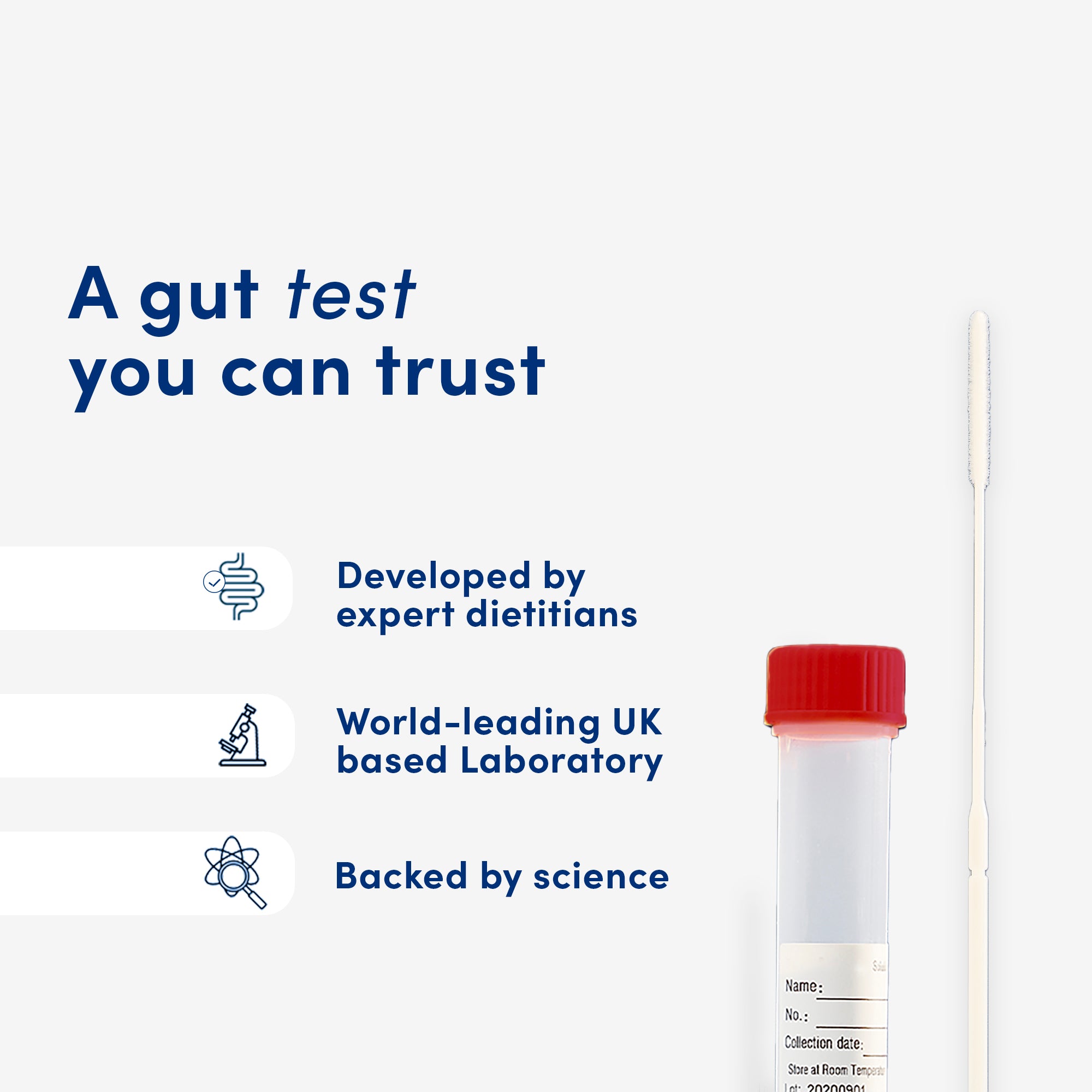
Gut Microbiome Health Test
Who should use the test?
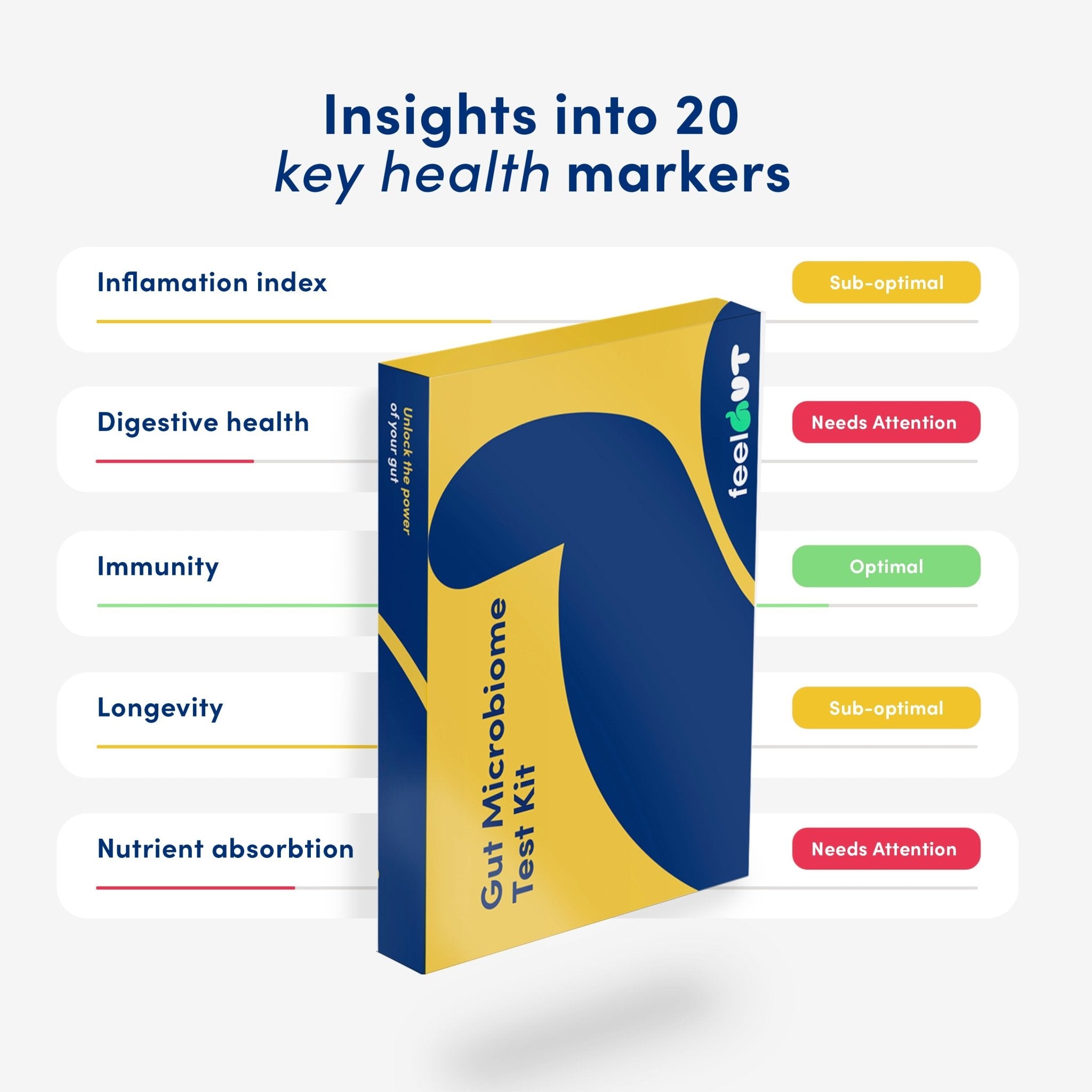
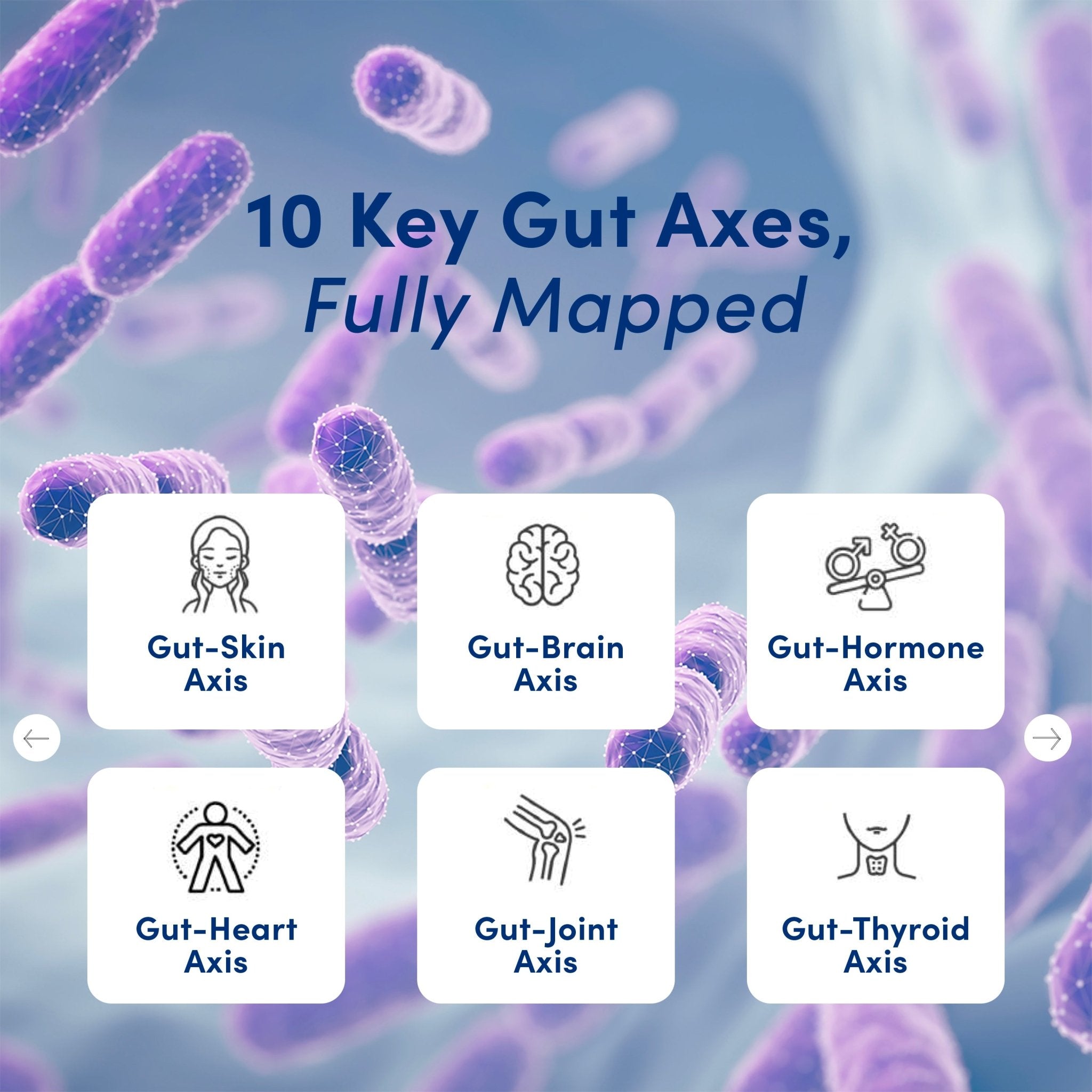
Our gut microbiome test kit is perfect if you want to understand your gut health, improve digestion, support immunity, or get to the bottom of IBS symptoms like bloating, fatigue, diarrhoea, constipation, food sensitivities or skin issues. It’s also ideal if you’re curious about how your gut microbiome may be influencing your overall wellbeing, with over 20 key health insights and 10 gut-axes measured in every test. You’ll receive a comprehensive snapshot of your gut health, plus personalised, science-backed recommendations to help you feel your best.
Free shipping both ways included in the price!
From the point our lab receives your sample.
Our gut microbiome test is designed to provide information and should not substitute professional medical advice as a diagnosis.
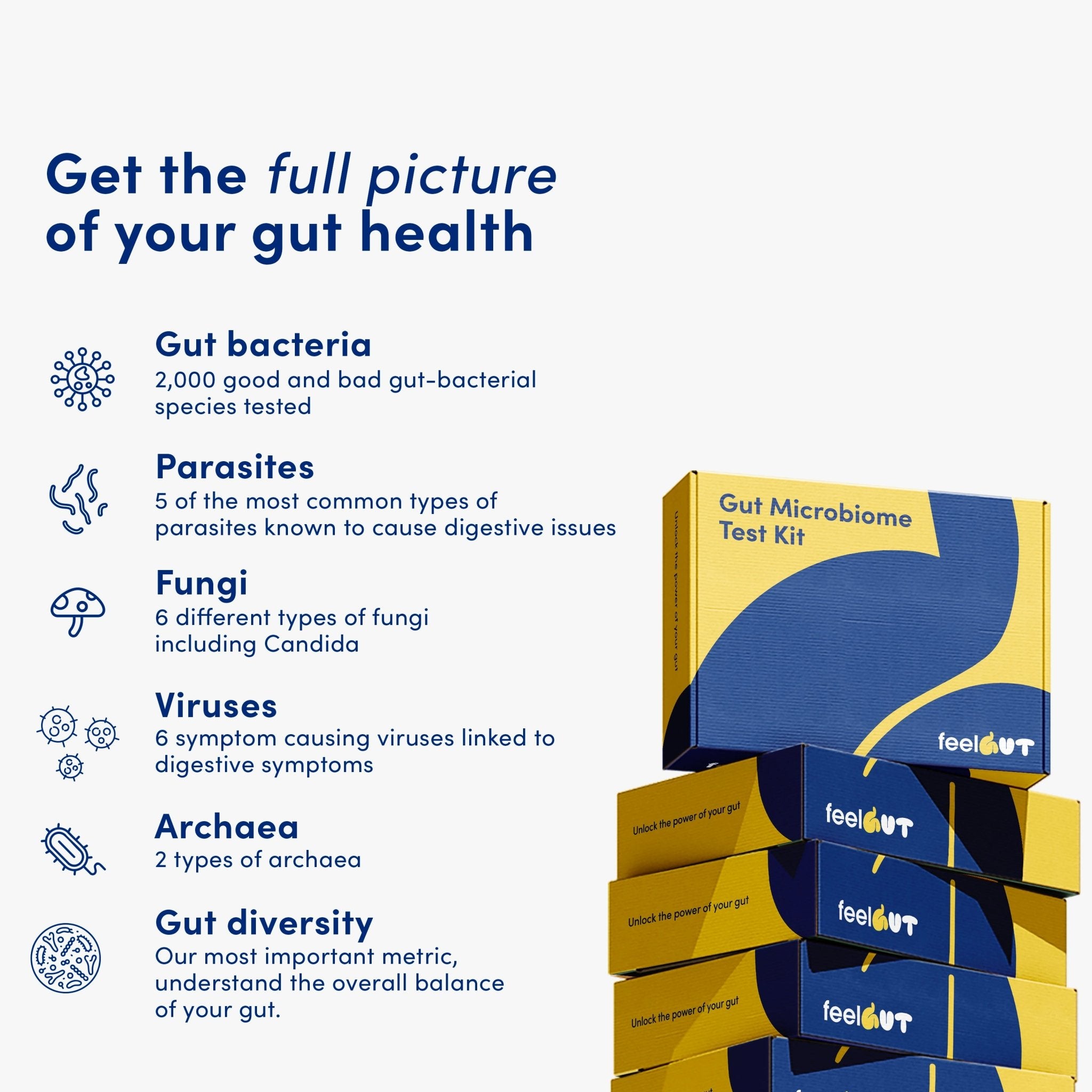
What gut bacteria is tested?

Key bacteria

Gut bacteria

Pathogenic bacteria

Parasites

Viruses

Fungi and Archaea
How does our test compare to others?
This product has no reviews yet.


Join the Feel Gut Club
Take control of your symptoms
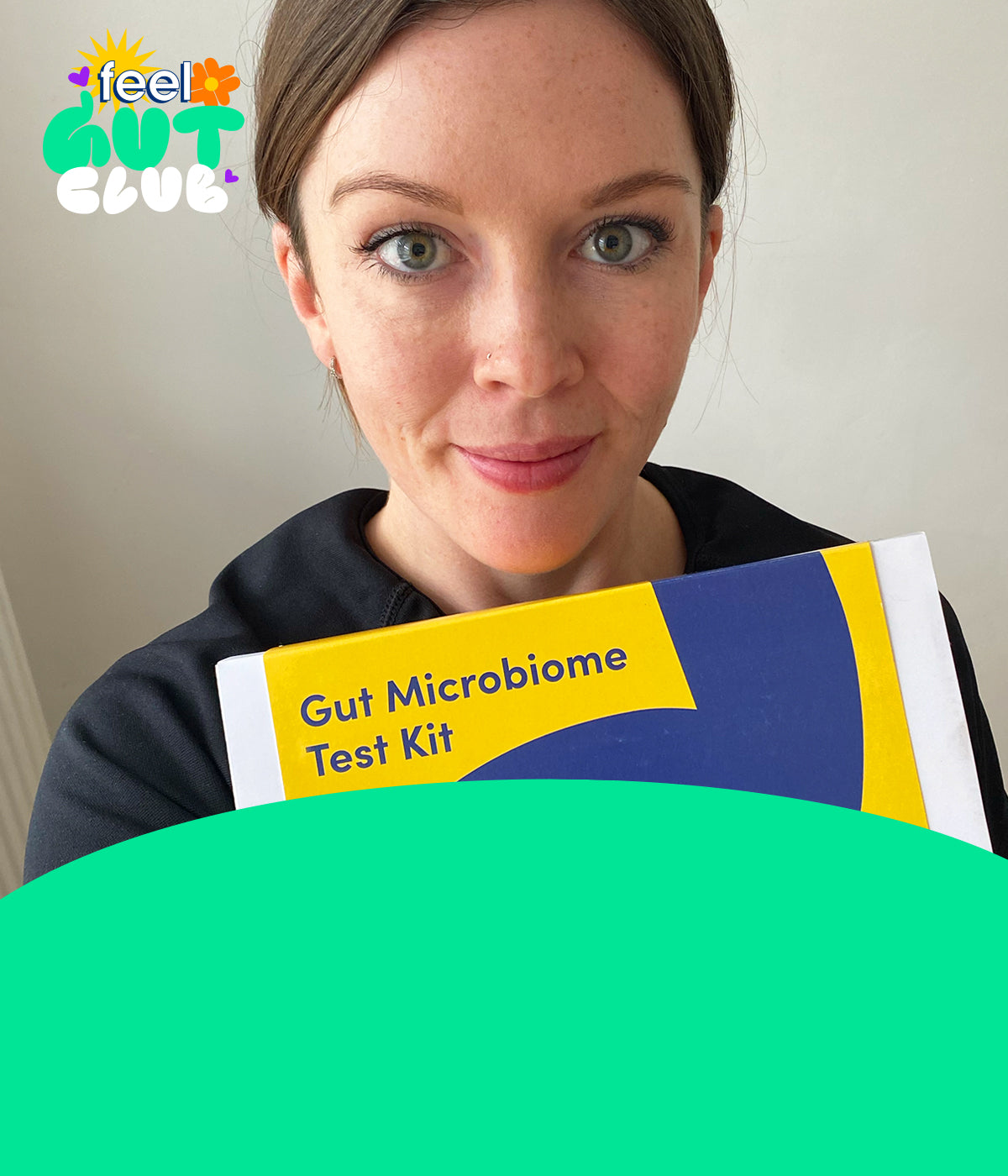
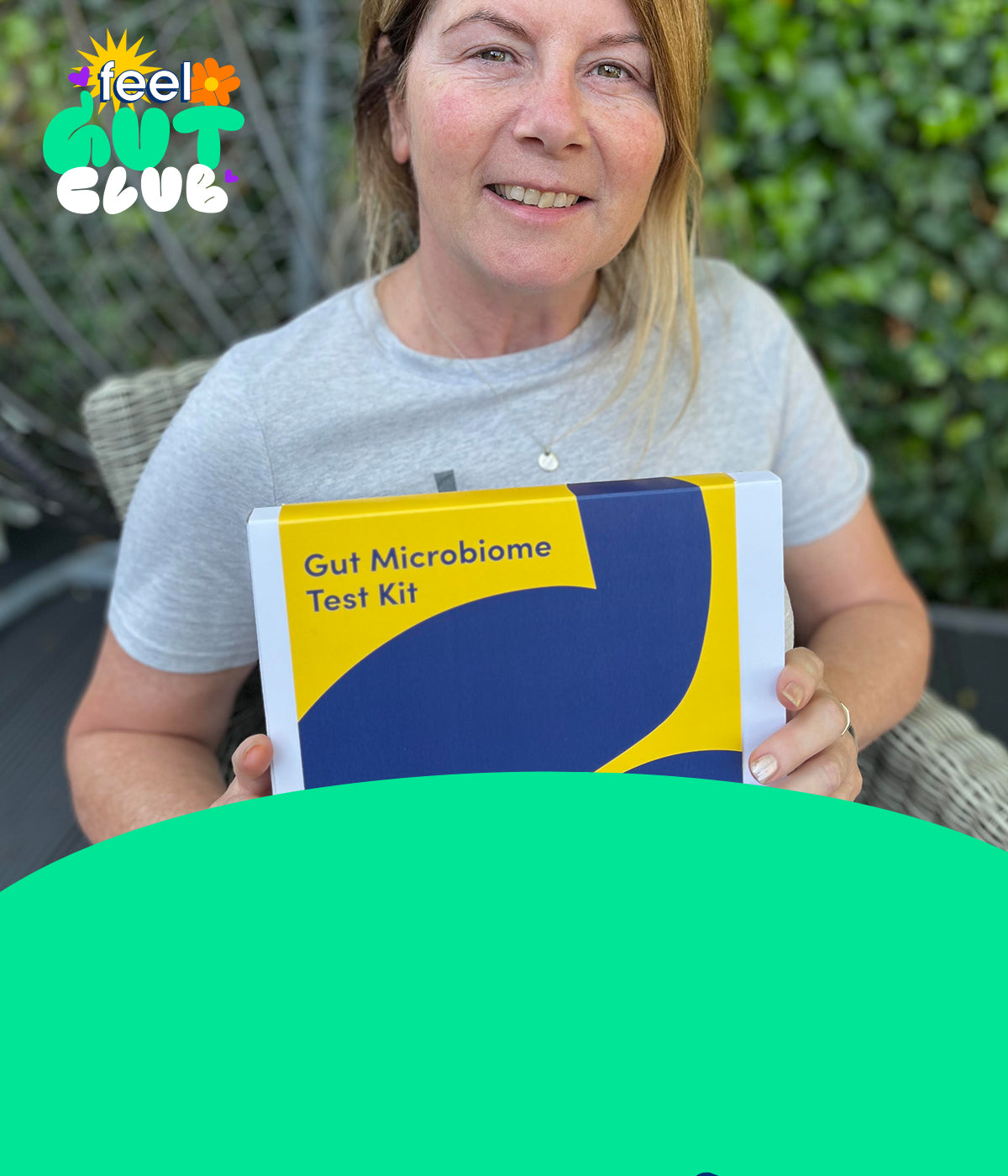
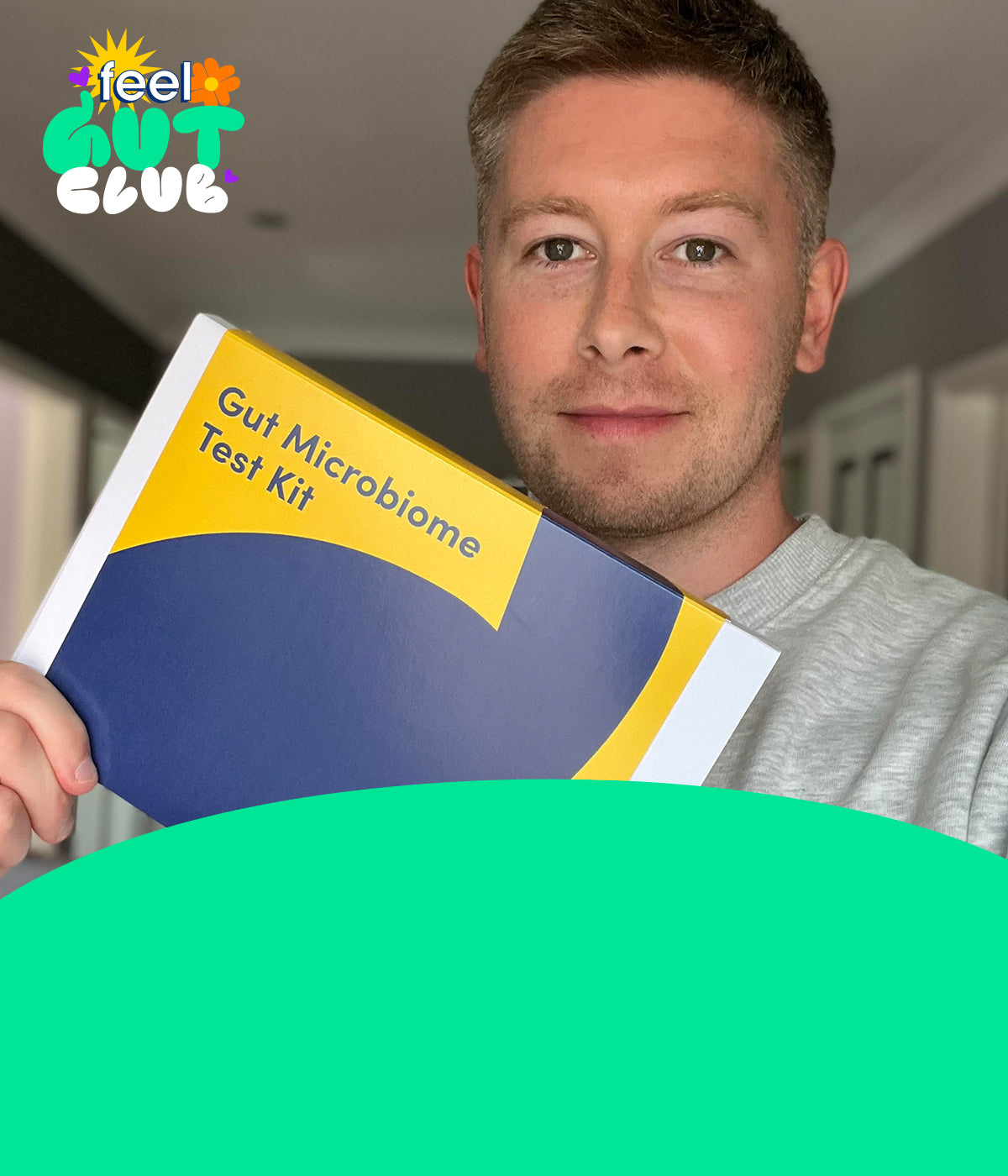
What is a gut microbiome test?
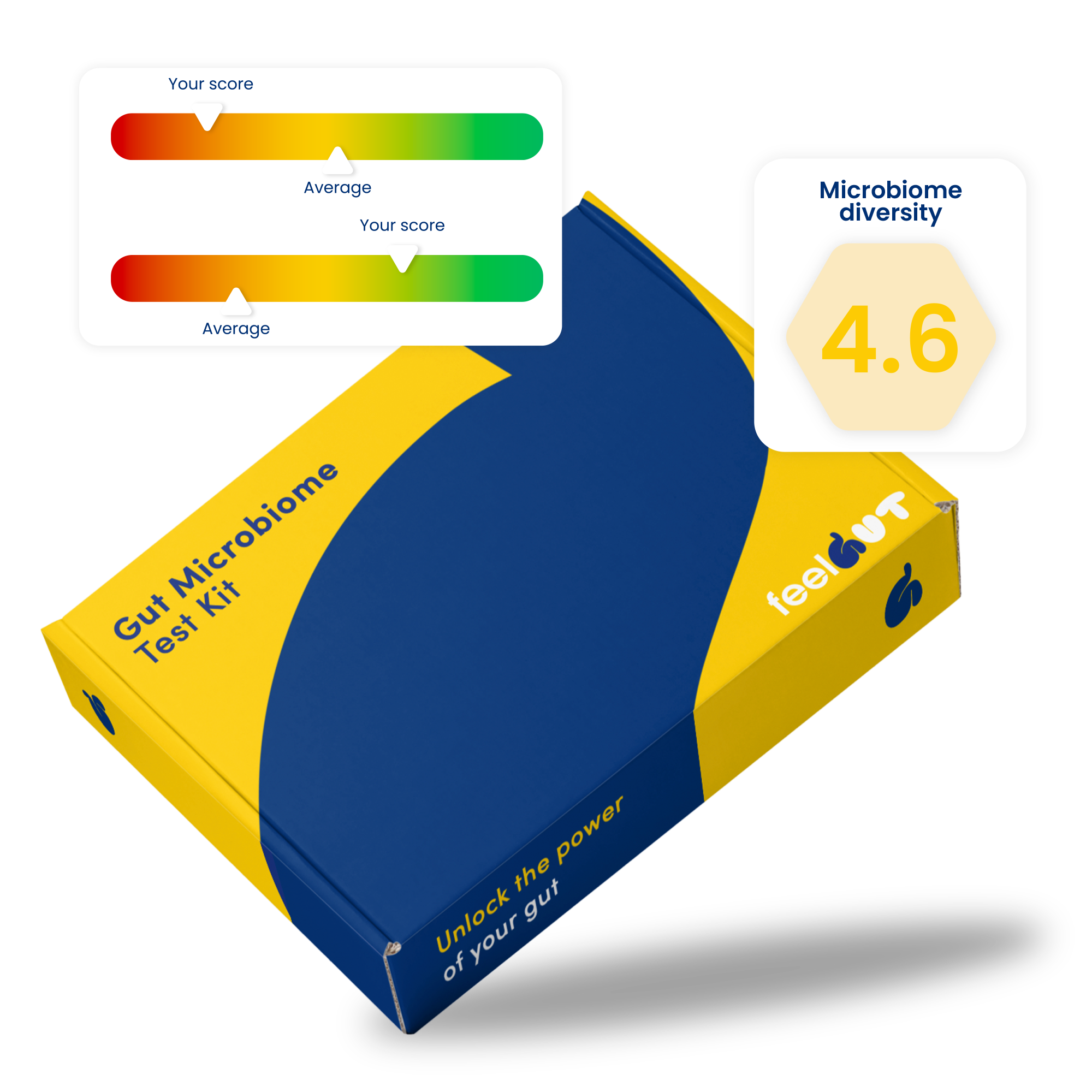
A gut microbiome test is a quick and easy way to find out what’s really going on inside your digestive system. Your gut is home to trillions of tiny organisms like bacteria, fungi, parasites and other microbes that play a big role in your digestion, energy, immunity, and even mood. The test provides a thorough gut health check and analyses which microbes are living in your gut and how well balanced they are.
An at-home gut health test provides a personalised report that shows which microbes are thriving, which may be out of balance, and offers simple, practical steps to help improve your gut health.
Learn moreHow can a gut health test help?
Your gut is at the centre of so much more than digestion, it plays a vital role in your immunity, energy levels, mood, skin health and overall health and wellbeing. A gut microbiome test helps you see what’s happening inside this complex ecosystem by testing gut bacteria to reveal which microbes are supporting your health and which may be out of balance. With clear, personalised insights, our team can help you make simple changes to your diet and lifestyle that support a healthier gut.
The full picture
What will a gut microbiome test tell me?
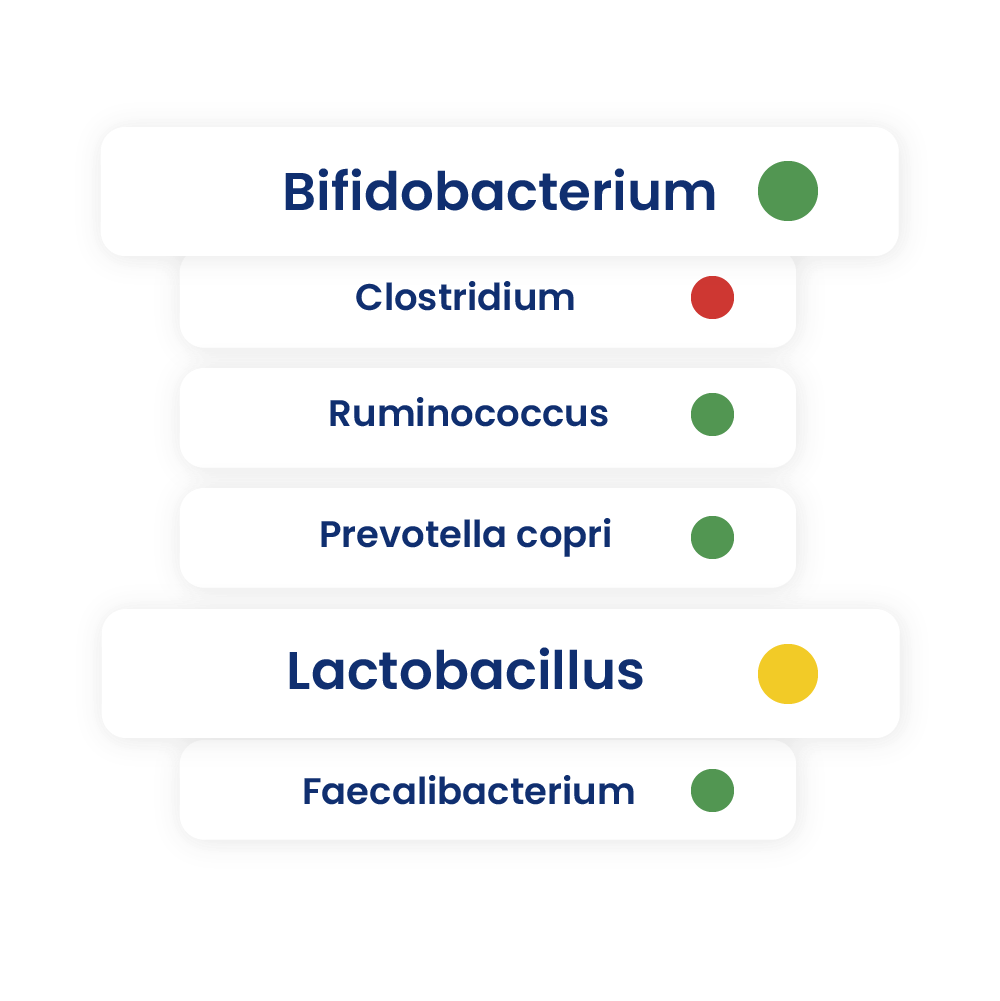
A comprehensive gut health test kit shows you the balance of bacteria in your gut and also detects the presence of fungi, viruses, parasites, archaea, yeasts and more. It helps uncover how certain microbes may be linked to IBS like symptoms such as bloating, low energy, skin problems, digestive discomfort, immunity, nutrient absorption, inflammation and how it may interfere with the various gut-axis within the body.
You'll receive clear, science-backed insights into your unique microbiome, along with personalised recommendations for food, supplements, and lifestyle changes to support better gut health and overall wellbeing.
View our detailed resultsWith you every step of the way
Experts at the forefront of gut health



Not just another diet
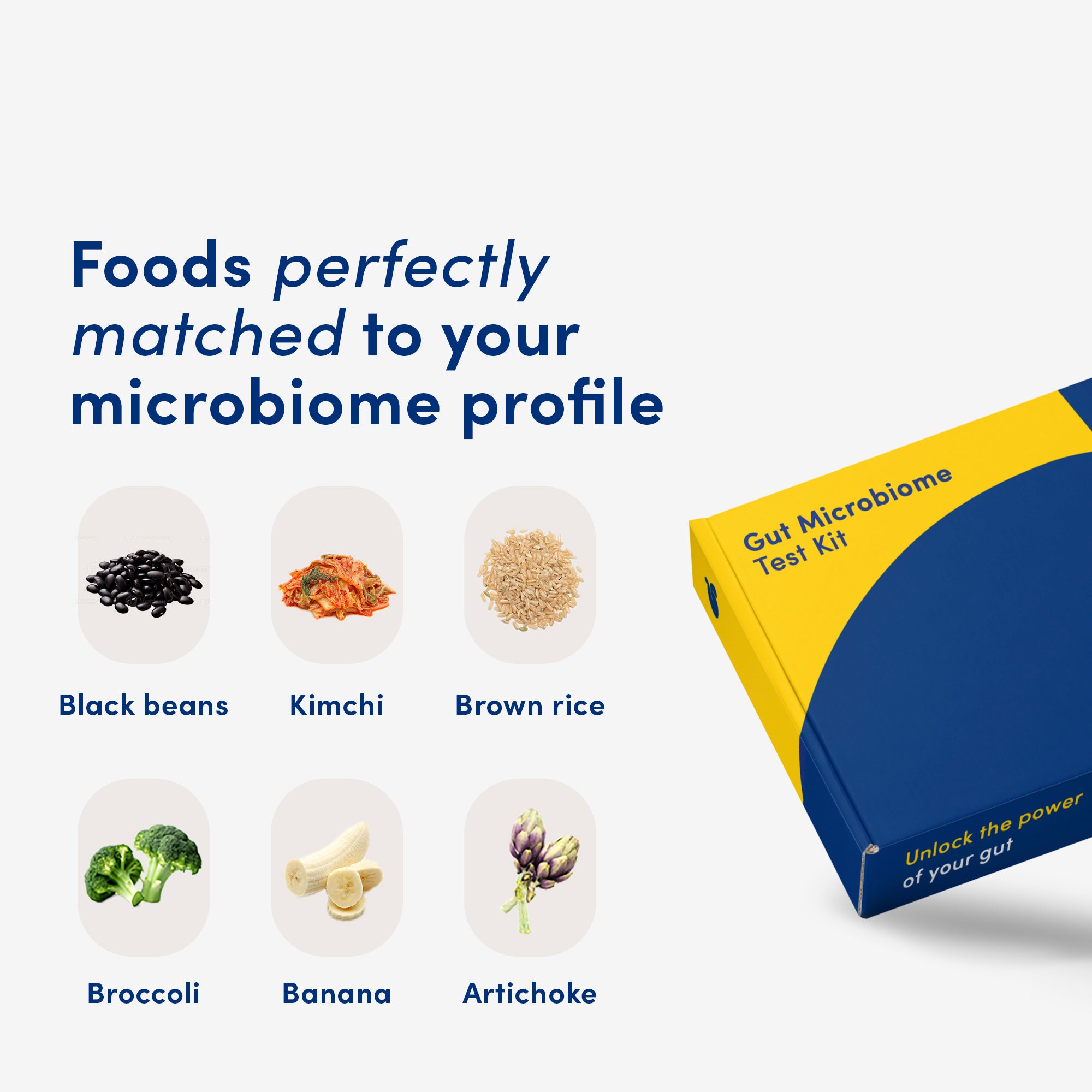
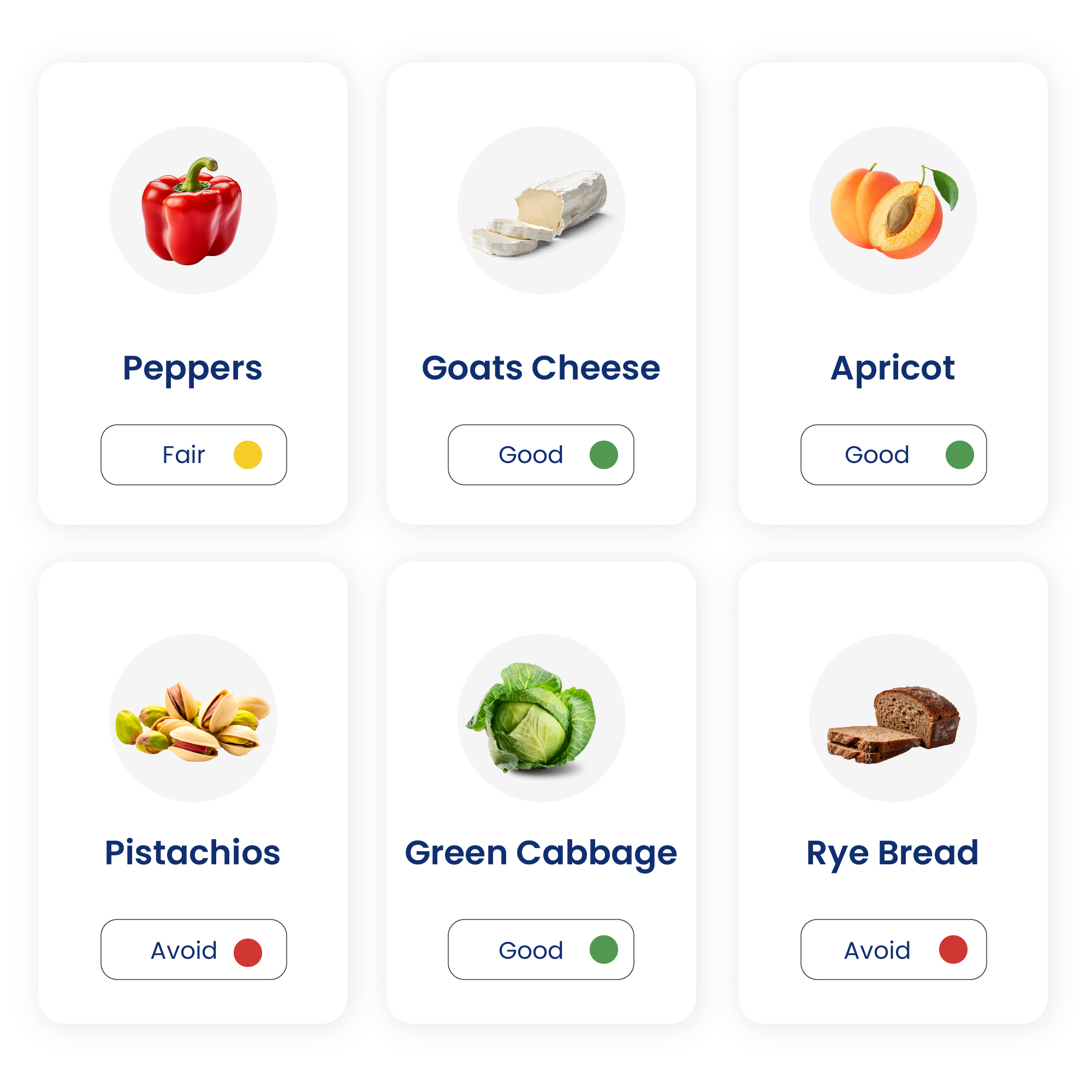
Foods perfectly matched to your microbiome profile
We use your microbiome profile to create a personalised food list, ensuring each meal supports your health at the most personal level.
This isn't just another one-size-fits-all diet, it's a personalised approach designed to improve your gut health and confront your symptoms, crafted from the insights of your microbiome profile.
4 steps
How to take the test kit
Taking the test is really simple, just follow the 4 steps below. More detailed instructions are included inside every test box when you receive your test kit.
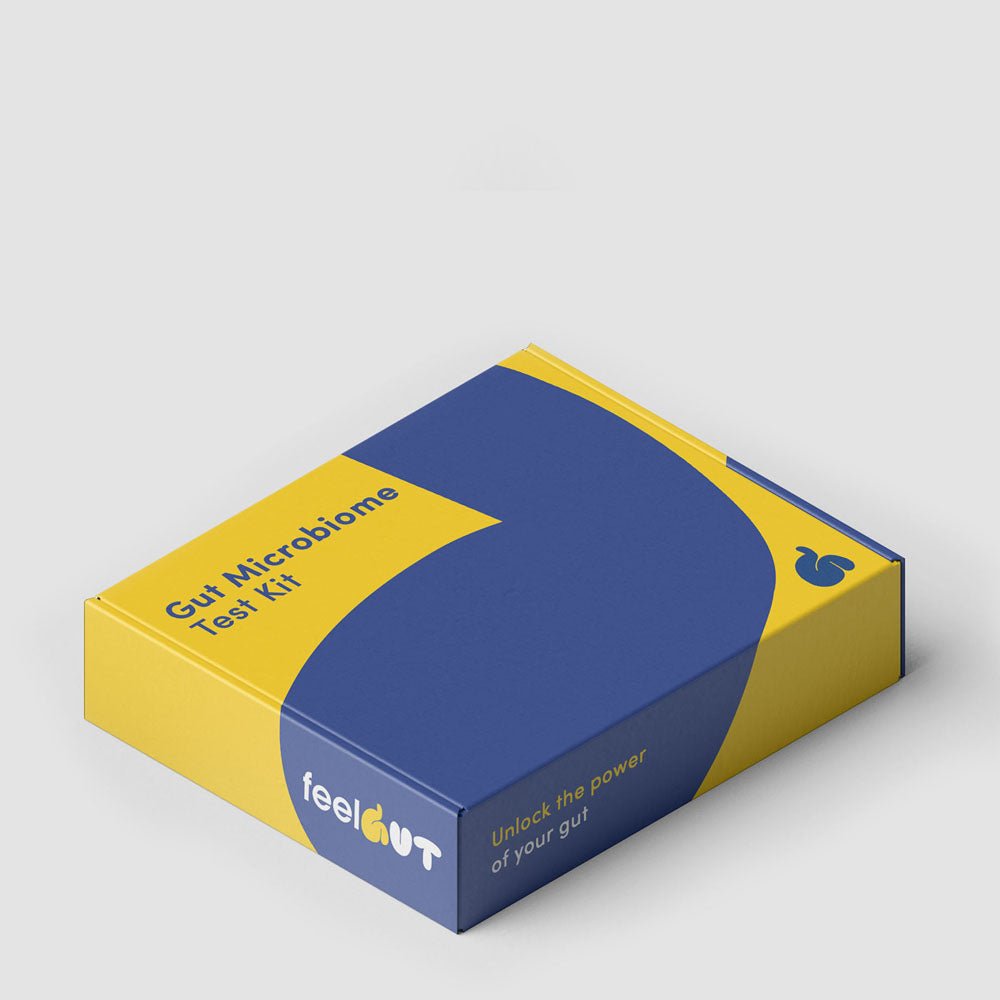
Order your gut microbiome test kit
Buy your kit online, we'll send everything you need directly to your door within 2 working days.
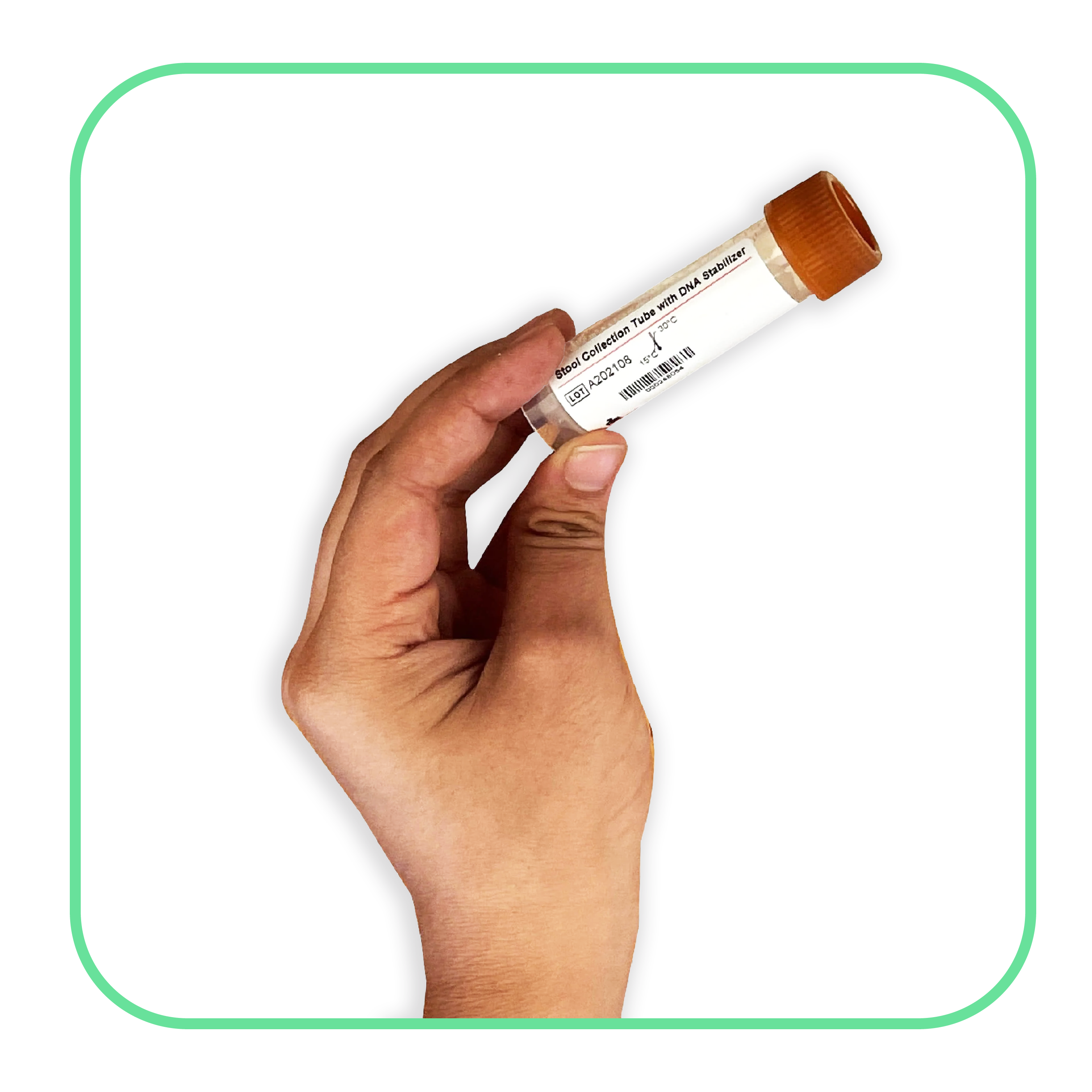
Collect your stool sample
Just a simple swab of used toilet roll! Full instructions included inside every kit to walk you through how to test.
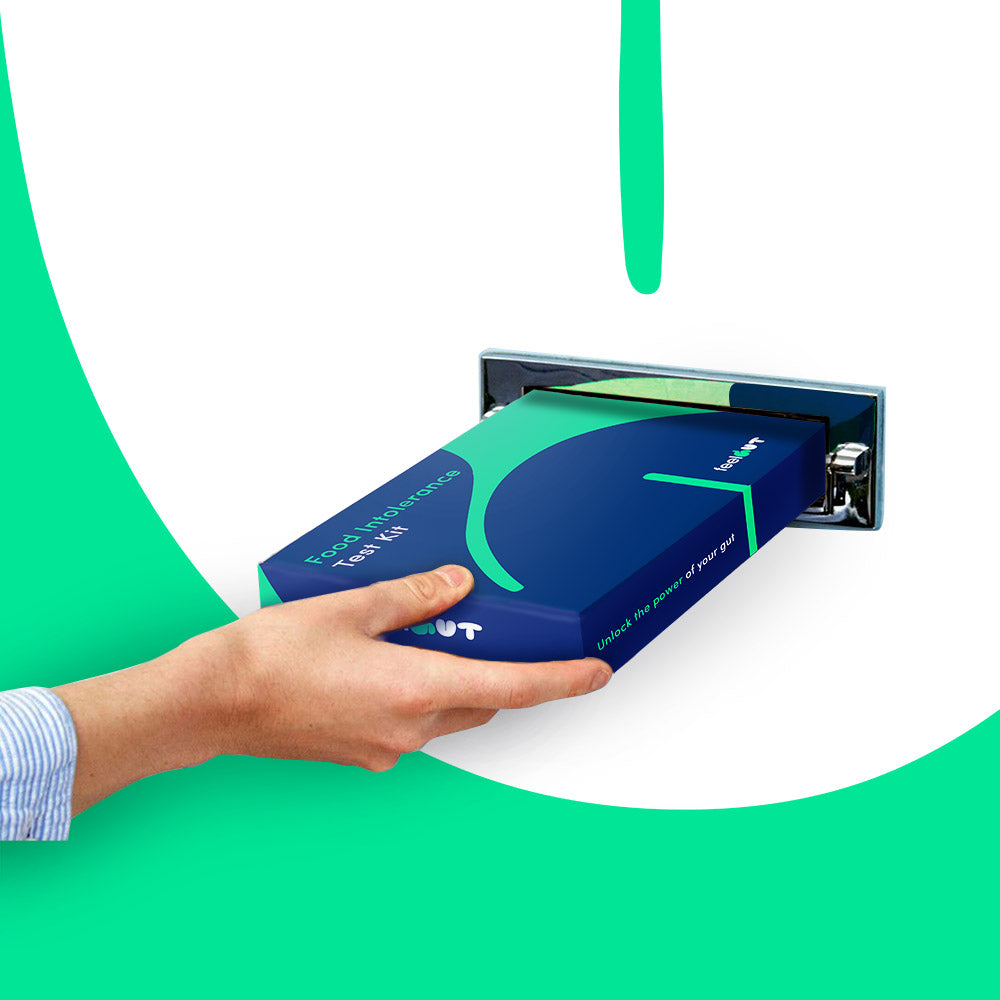
Send your kit back
We'll provide you with a prepaid UK shipping label so you can send your sample back to our UK based lab
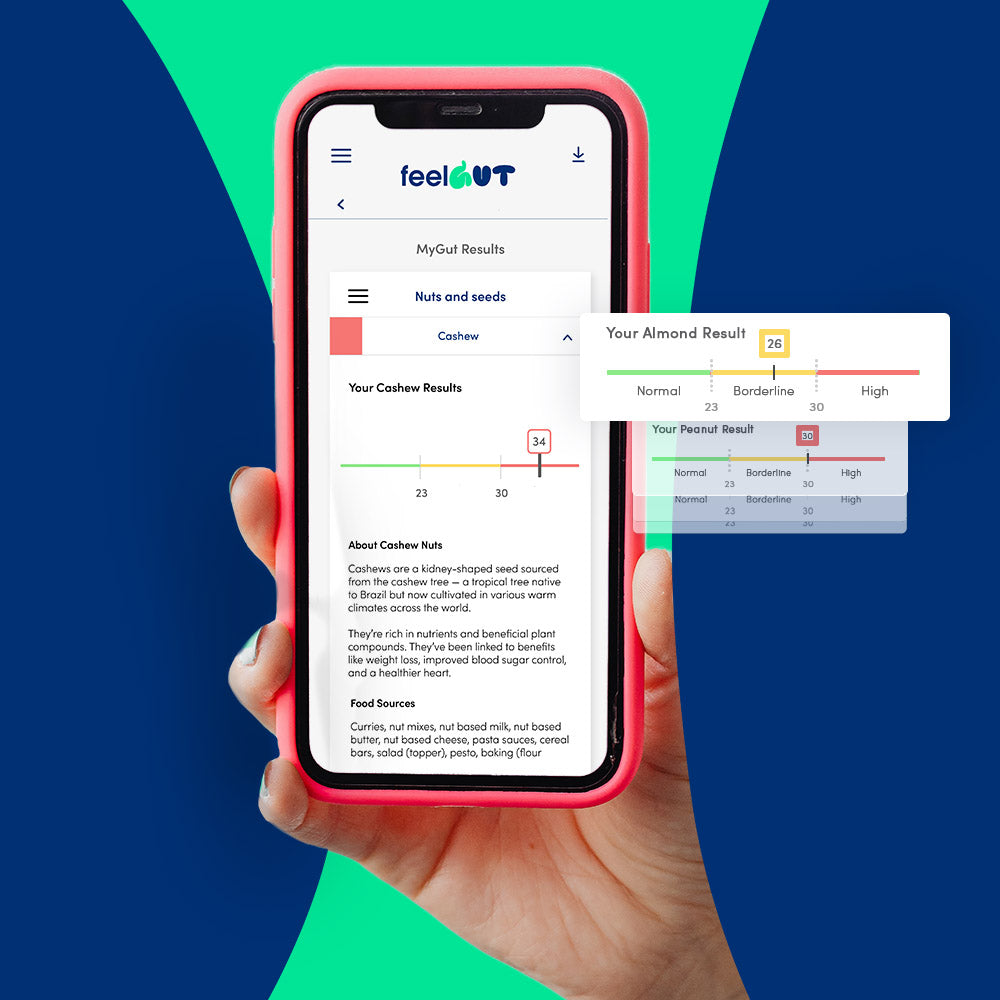
Receive your results
Results will be sent directly to your email address 3-5 weeks from the point our lab received your sample
Gold standard testing
Our approach to microbiome testing
Method of testing
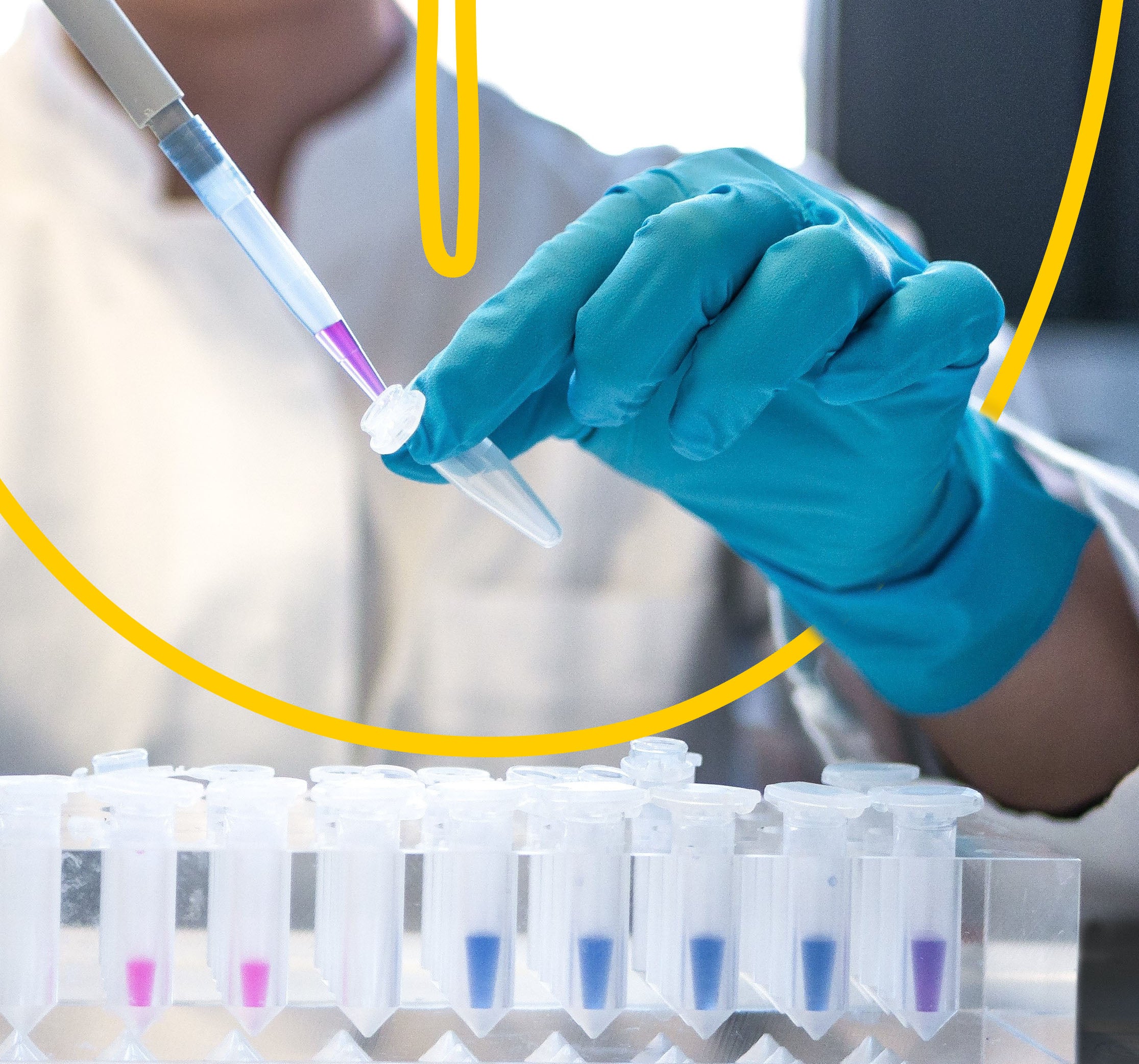
We analyse every sample with next-generation shotgun metagenomic sequencing because it unlocks the full story of your gut microbiome. Shotgun sequencing captures all DNA in the sample, telling us who’s there and what they can do.
Machine learning
Then, we take the raw sequencing reads (FASTQ files) and process it on our machine learning bioinformatics pipeline where it matches each microbe and gene against two gold-standard reference databases and converts those matches into clear health scores and personalised food tips specific to you.
Reference databases
Our machine learning platform compares your results against 50,000 profiled gut samples taken from two gold standard reference libraries, the Human Microbiome Project and the American Gut project and our own rapidly growing database.
This product has no reviews yet.
FAQ's
What is gut microbiome testing?
Gut microbiome testing is a process that analyses the microorganisms (good and bad bacteria, fungi, and viruses) living in your digestive tract. A gut microbiome test provides insights into the diversity and composition of your gut microbiota and its role in how they may impact digestion, immunity, and overall health.
How does a gut microbiome test work?
Our test requires swabbing a used piece of toilet paper after passing a stool which can be done at home. The sample is then sent to our lab who analyse it to identify certain microorganisms, their types and quantities to create a complete picture of your microbiome health.
What will my results tell me?
Want to know exactly what the results will tell you? Take a look at our full report that comes with every gut microbiome test.
A gut microbiome test can provide helpful insights into your gut health by measuring a number of different types of bacteria within the gastrointestinal tract.
Your results will tell you which bacteria types are present in your gut and their overall balance and numbers and what this may mean for your health.
The results will also provide you with wider context and insights into whether elevated or reduced numbers of certain bacteria may be associated to any conditions or known symptoms based on current research.
For example, reduced Faecalibacterium and Bifidobacterium, plus altered Firmicutes/Bacteroidetes ratios, are often seen in IBS patients. (PMC)
The report will also provide you with gut friendly foods that can help to improve your overall gut health.
It is important to note that the results are not intended to be a diagnosis, instead, a gut microbiome test can help guide further questions, testing and discussions with a medical professional and offer clues about possible underlying issues.
When will my symptoms improve?
Our test kit and platform have been used in a number of clinical studies, one of which significantly improved symptoms in IBS patients in a 6 week period - TandF
Our results provide personalised recommendations on dietary fibre intake and probiotic/prebiotic supplementation.
Fibre intake
While microbiome changes appear rapidly, many people report improved digestion, more regular stools, and reduced bloating typically within 2–4 weeks of consistently higher fiber intake- PMC
Probiotics
A 4-week trial of Lactobacillus plantarum 299v showed a reduction in abdominal pain and bloating compared to placebo by week 4 (78.1 % rated their symptoms “good” or “excellent”) - PubMed
Are there any alternatives to gut microbiome testing?
Eating a diet rich in whole foods, leafy greens, fibre, lean protein and prebiotic rich foods can help to increase your gut health naturally. The ultimate goal of a gut microbiome test is to improve the diversity within your gut, however this can be done without testing by incorporating foods known to improve gut health into your diet such as the above foods. For more foods, take a look at our comprehensive list of foods that are good for gut health.
There are a number of other well known comprehensive stool tests in the UK such as the Gi Map Test which also comes with interpreted and personalised results.
Are there any limitations of the test?
Whilst the gut microbiome test can provide you with detailed insights into your gut health and shed light on which bacteria within your gut may be linked to certain conditions or symptoms, it is not intended to be a diagnosis. Ultimately, a gut microbiome test can help guide further questions, testing and discussions with a medical professional and offer clues about possible underlying issues.
The test cannot identify parasites, to ensure parasites are not present in your stool, we recommend taking the gut parasite test which can be taken alongside our gut microbiome test.
How much is a gut microbiome test?
Our test is £299 and includes a full detailed report and analysis. We do not charge a subscription fee.
How long will it take to get my results?
Your tests results will be ready in 3-5 weeks depending on findings. We will email you as soon as our lab has completed your test results.
Can I take the test if I am pregnant?
No, nutrition during pregnancy is more important than ever, we do not recommend making any major adjustments to diet and lifestyle during this time. It is also common for symptoms such as acid reflux, indigestion, tiredness, sickness, weight gain, sleep disturbances to arise during pregnancy.
Can anyone take the test?
Anyone over the age of 18 months old can take the test.
How do I take the test?
Simply swab a piece of used toilet paper and follow the steps detailed in our instruction leaflet to return it to our lab. We will send you everything you need to take the test.
Step-by-step instructions will also be included in your test kit.
Do I need to fast before I take the test?
No, do not fast before you take the test. To get the best understanding of your health you should eat and live as normal so we can get a true picture of your normal microbiome health.
Can I get a microbiome test on the NHS?
The NHS do not currently offer gut microbiome testing.
Why is the gut microbiome important to health?
Whilst there is no definite "optimal" gut microbiome score, it is largely accepted that the gut microbiome can have a huge influence on our overall health.
Practising good gut health is something that should be adopted long term, testing can help you track and monitor your gut health as well as providing you with valuable insights along the way.
Can I discuss my results with a nutritionist?
Your test results will be interpreted by one of our healthcare professionals, however we do offer the option to book a call with one of our nutritionists.
What is the personalised food list?
Based on your microbiome's diversity, test results and current research of how various foods affect different gut bacteria, a personalised food list specific to your microbiome composition will be provided. This list will include gut friendly foods that will nourish and encourage the growth of beneficial bacteria in your gut.
What method of testing is used?
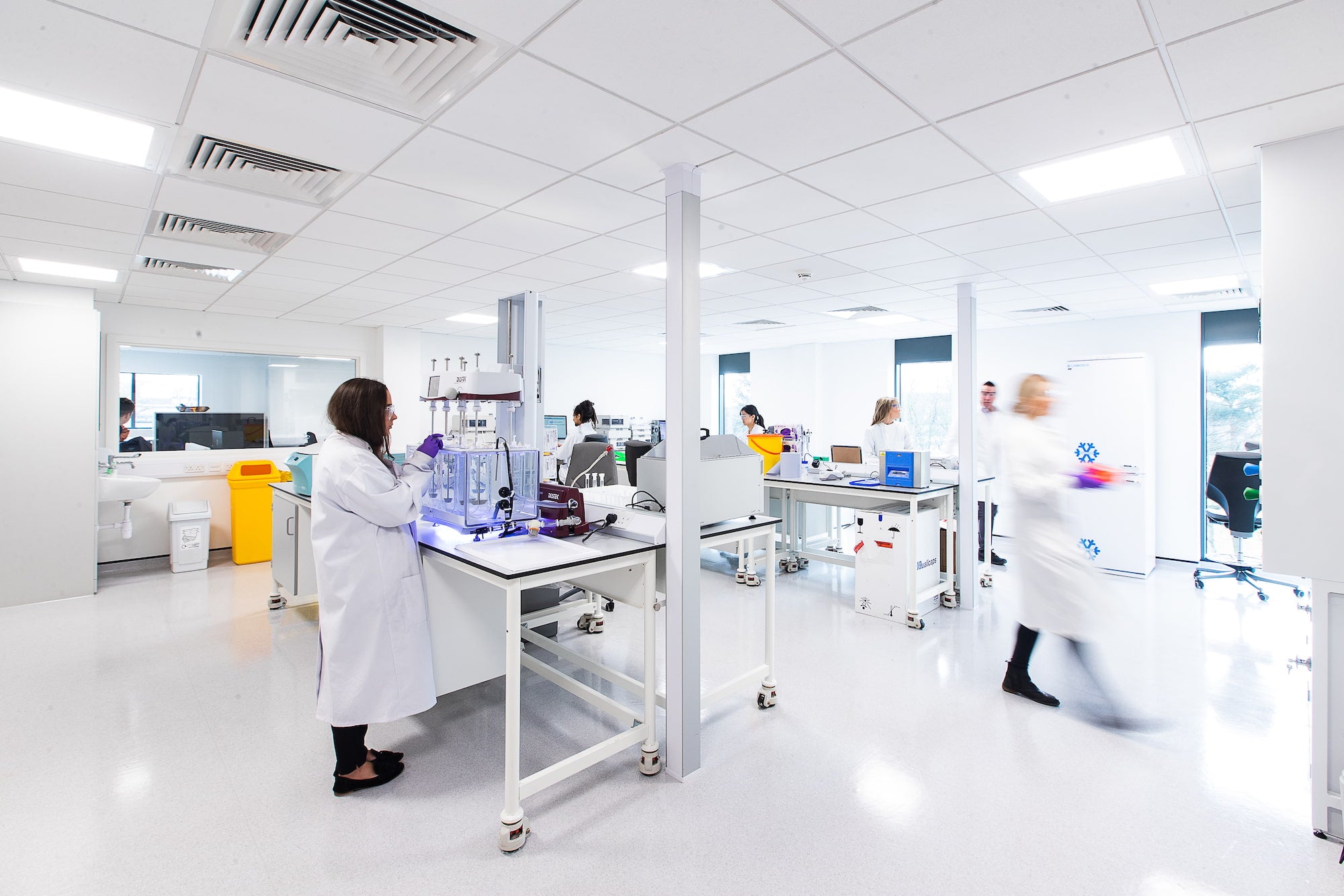
Our partner labs provide microbiome testing worldwide, to the highest clinical accreditation. We use market leading NGS-based shotgun metagenome sequencing to ensure accuracy and reliability in all our reporting.
Delivery options
All of our test kits will fit through your letter box! There is no need to wait in for your delivery driver.
Your test kit will also come with a Royal Mail tracked delivery return shipping label so you can send your sample back to our lab.
Free
2-5 working days (excluding weekends and bank holidays)
£5.99
1-2 working days (bank holidays not included)
The gut hub
Bite-size digests
Authored by

Reviewed by
